The Vehicle Wrap & Graphics Guide
Turn the vehicles you already own into brand assets.
Your vehicles are already traveling through the communities you serve. The question is whether they are simply transportation, or whether they are helping people recognize, understand, and remember your business. The best programs consider brand recognition, viewing distance, message hierarchy, vehicle shape, coverage, durability, fleet consistency, installation, and long-term maintenance.
Start here
Start with the objective.
Before deciding whether you need lettering, a partial wrap, or a full wrap, start with one question: what do you need the vehicle to accomplish? The right level of graphics depends on the objective.
Identify
Make it obvious which company owns or operates the vehicle.
Explain
Help someone quickly understand what your company does.
Build recognition
Create repeated exposure throughout the areas you serve.
Generate leads
Give potential customers an easy way to remember or contact your business.
Build credibility
Look established, professional, and consistent.
Unify a fleet
One recognizable look across multiple vehicles, even when the models differ.
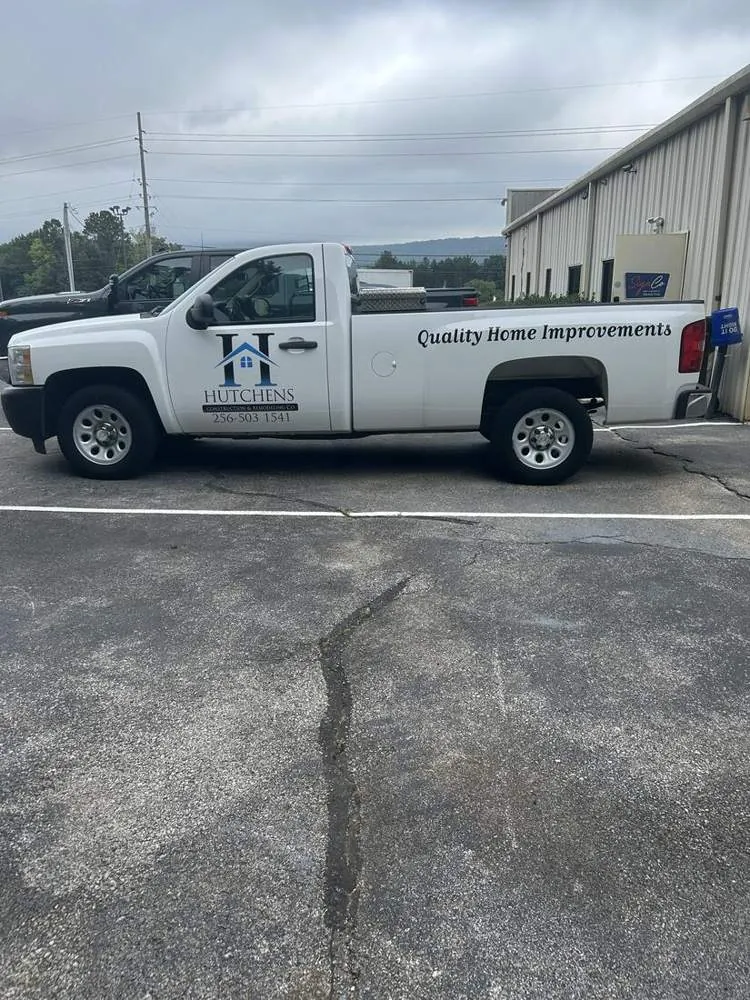
Lettering & spot graphics
The simplest way to identify a company vehicle.
Vehicle lettering
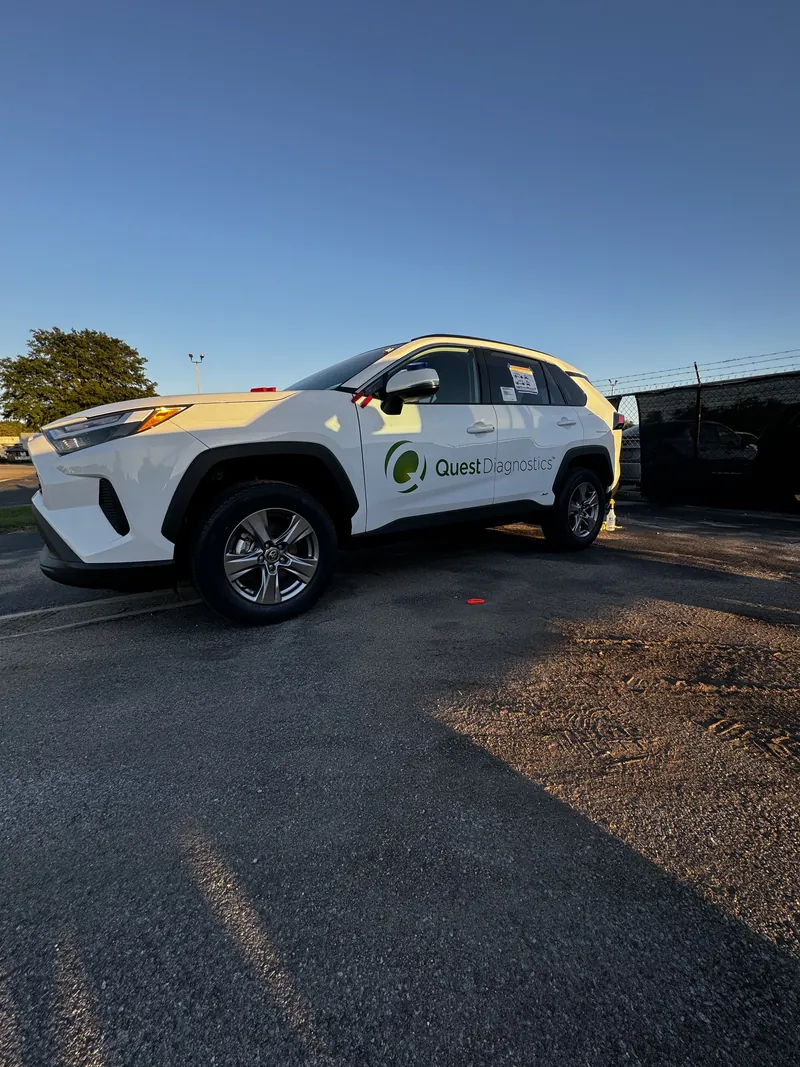
Cut vinyl or printed graphics that display the important brand information without significantly changing the vehicle: logo, company name, website, phone number, services, license and DOT numbers, unit numbers, and simple calls to action.
Best for
- Service trucks
- Work vans
- Pickup trucks
- Utility vehicles
- Contractors
- Small fleets
- Vehicles already in strong brand colors
Why choose vehicle lettering? A clean, professional appearance while keeping the project simple and cost-effective. Often the right answer when the vehicle itself already works with the brand.
Spot graphics
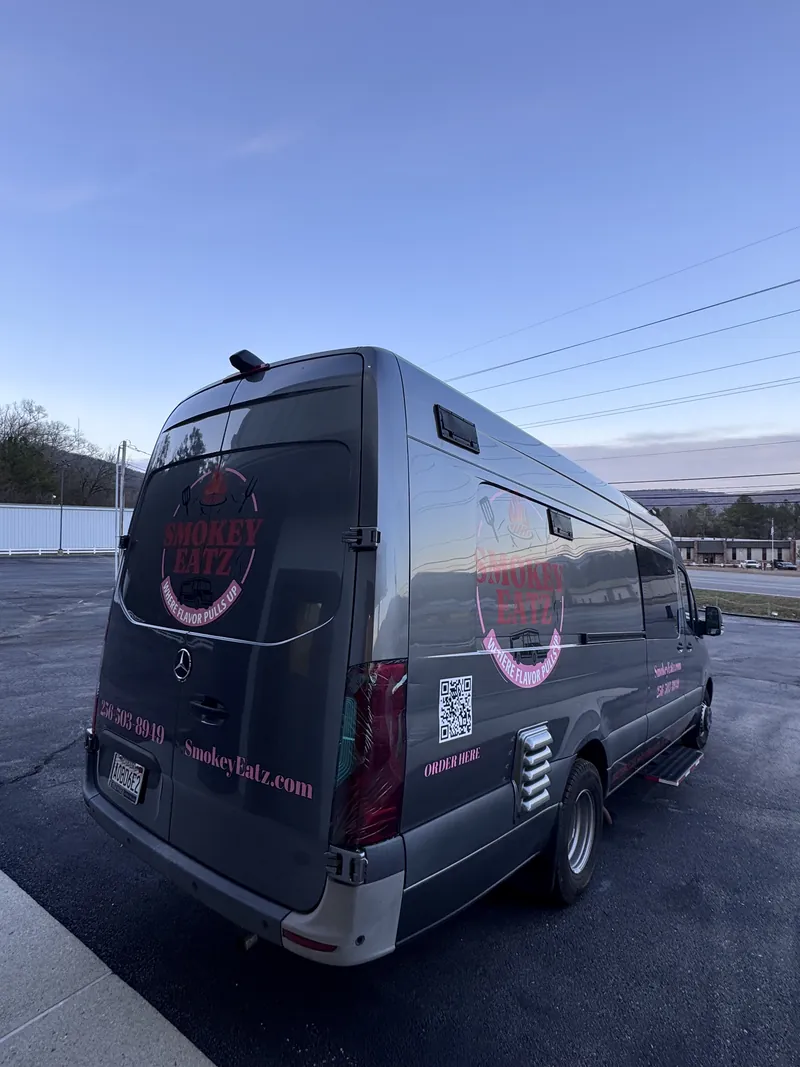
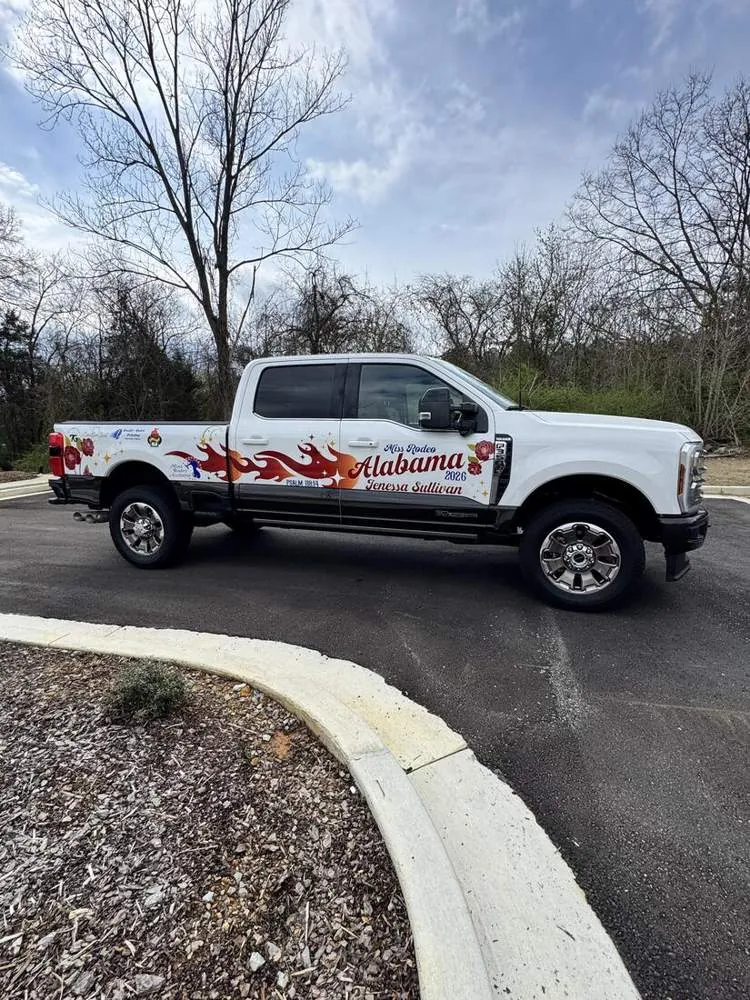
Larger branded elements on selected areas without a continuous wrap: large logos, printed graphics, service icons, contact information, accent graphics, taglines, and calls to action. More visual impact than basic lettering without a full transformation, and especially effective when the factory paint already complements the brand.
Partial & full wraps
Coverage should follow the objective.
Partial wraps
Printed vinyl on selected areas, with the original paint color built into the design: rear quarter panels, doors, bed sides, rear doors, tailgates, lower body panels, front or rear sections.
Best for
- High impact without full coverage
- Fleets with consistent colors
- Brand colors that work with the factory paint
- Service businesses
- Contractors
- Delivery vehicles
Why choose a partial wrap? A well-designed partial wrap can look like a much larger treatment while using less material and labor than a full wrap. The key is designing the wrap around the vehicle rather than stopping the artwork in arbitrary places.
Full wraps
Printed or colored vinyl over most of the painted exterior, which gives us maximum control over the appearance of the vehicle.
Best for
- Strong brand transformations
- High-visibility service vehicles
- Delivery vehicles
- Vans
- Box trucks
- Vehicles as a major marketing channel
- Fleets that need one identity
Why choose a full wrap? The vehicle becomes a complete branded environment. Instead of working around the paint, the vehicle is designed almost entirely around the brand.
Full coverage is not more messaging
One of the biggest mistakes in wrap design is assuming more coverage should mean more information. A vehicle may have hundreds of square feet of graphic space, but the viewer has a few seconds. The primary message still needs to answer three things: who are you, what do you do, and how can someone recognize or contact you. Everything else is secondary.
Color change wraps
A color change wrap (gloss, matte, satin, metallic, specialty textures) changes the look of a vehicle rather than advertising a business. Commercial wraps and color change wraps use different materials, design processes, installation techniques, and pricing. If your goal is advertising, we approach the project differently than a personal color change.
Fleet graphics
The goal is not to make every vehicle identical. It is to make every vehicle recognizably yours.
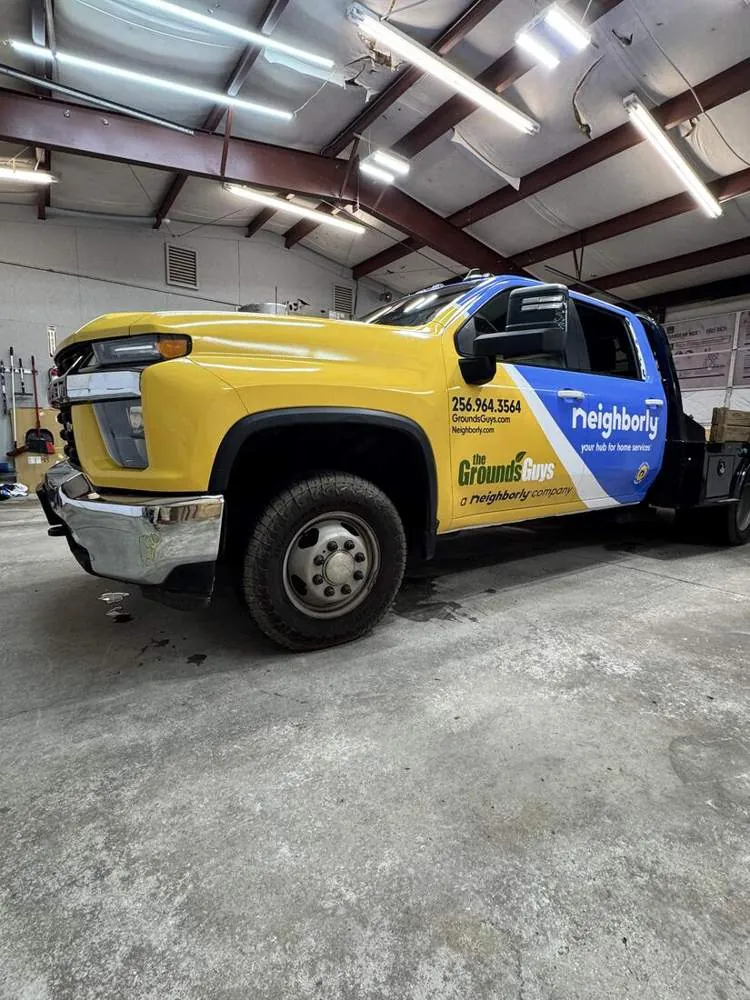
One branded vehicle is useful. A recognizable fleet creates repeated brand exposure everywhere your company operates. Fleet graphics should be designed as a system, not as individual projects. A strong fleet program considers vehicle type, color, and size, logo placement, message hierarchy, driver and passenger sides, rear visibility, unit identification, DOT information, replacement vehicles, and future additions.
Plan the fleet before it grows
If you expect to add vehicles, think beyond the first wrap. We establish a repeatable fleet system that defines logo placement, colors, fonts, contact information, service messaging, unit numbers, DOT information, graphic positioning, and vehicle-type variations, so future vehicles can be added without reinventing the design every time.
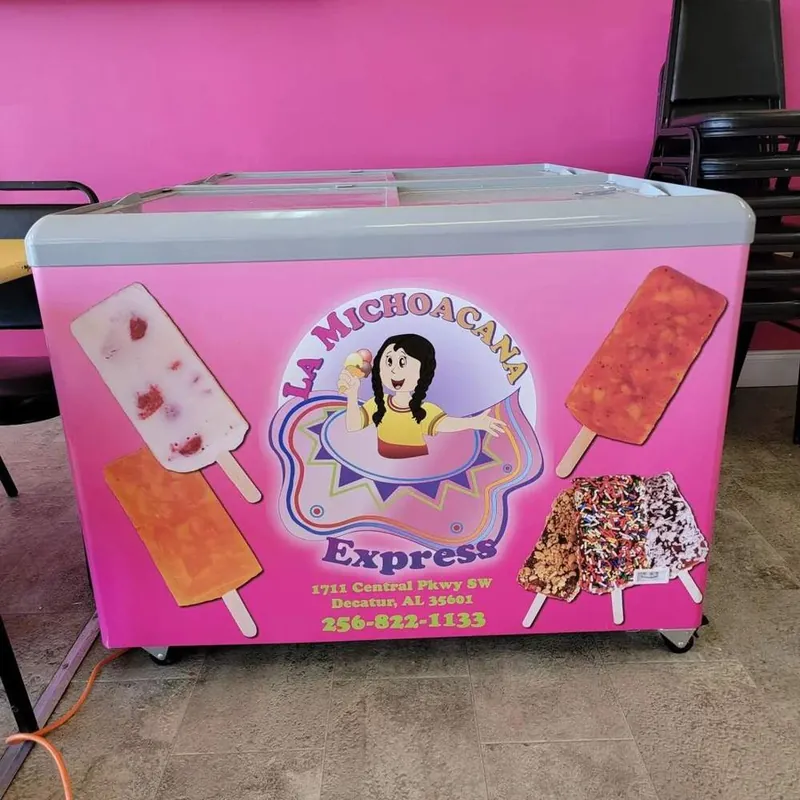
Trucks, vans, trailers & box trucks
Design for the vehicle you actually have.
Trucks
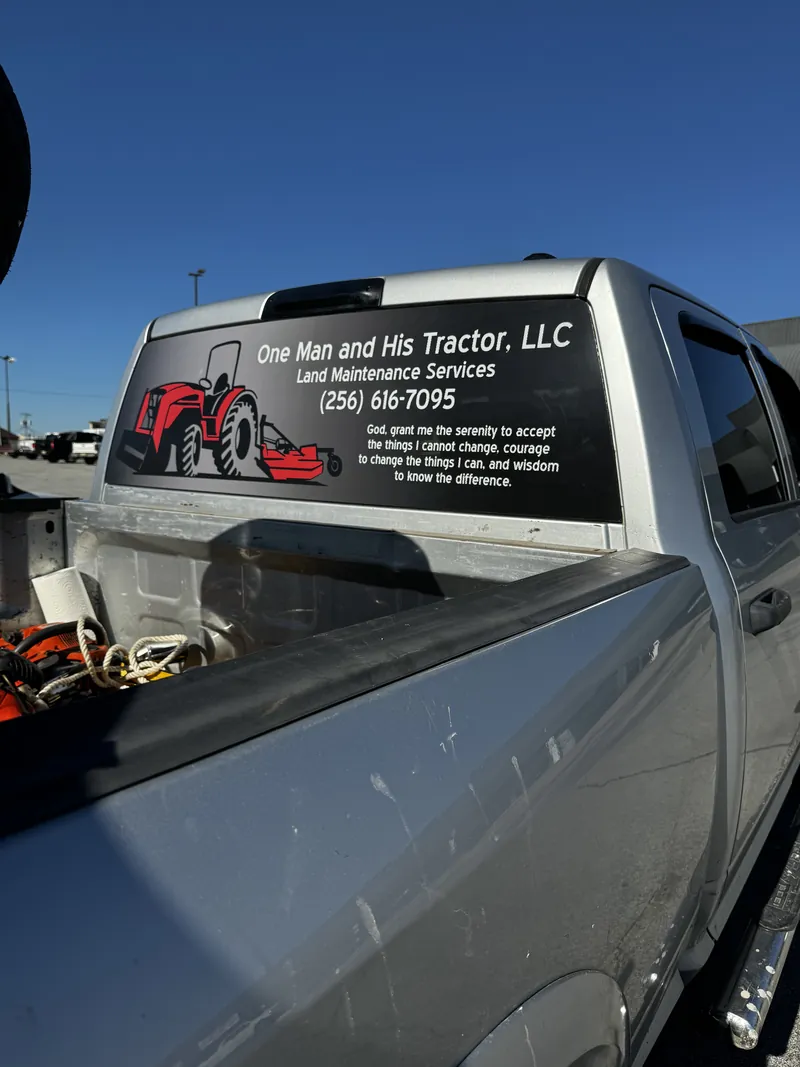
Pickups are among the most common commercial vehicles we wrap: doors, bed sides, rear quarter panels, tailgate, rear window, and front fenders. Because pickups have body lines, wheel wells, handles, trim, and bed configurations, the artwork is created for the specific vehicle.
Vans
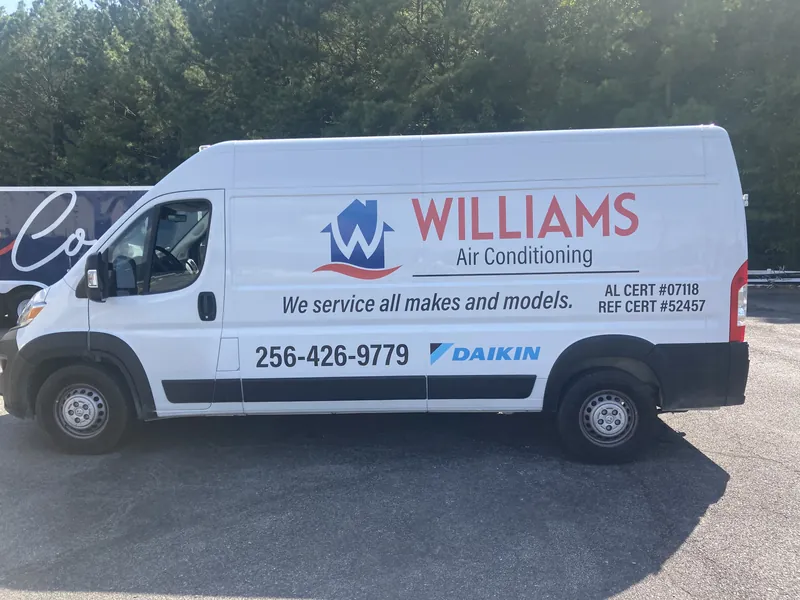
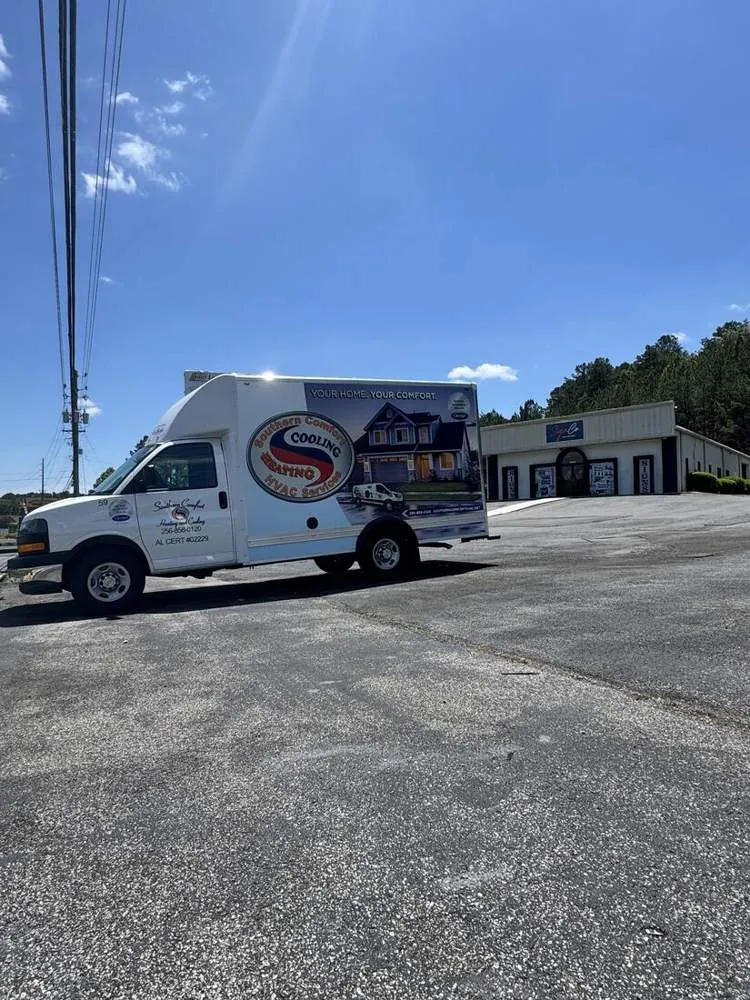
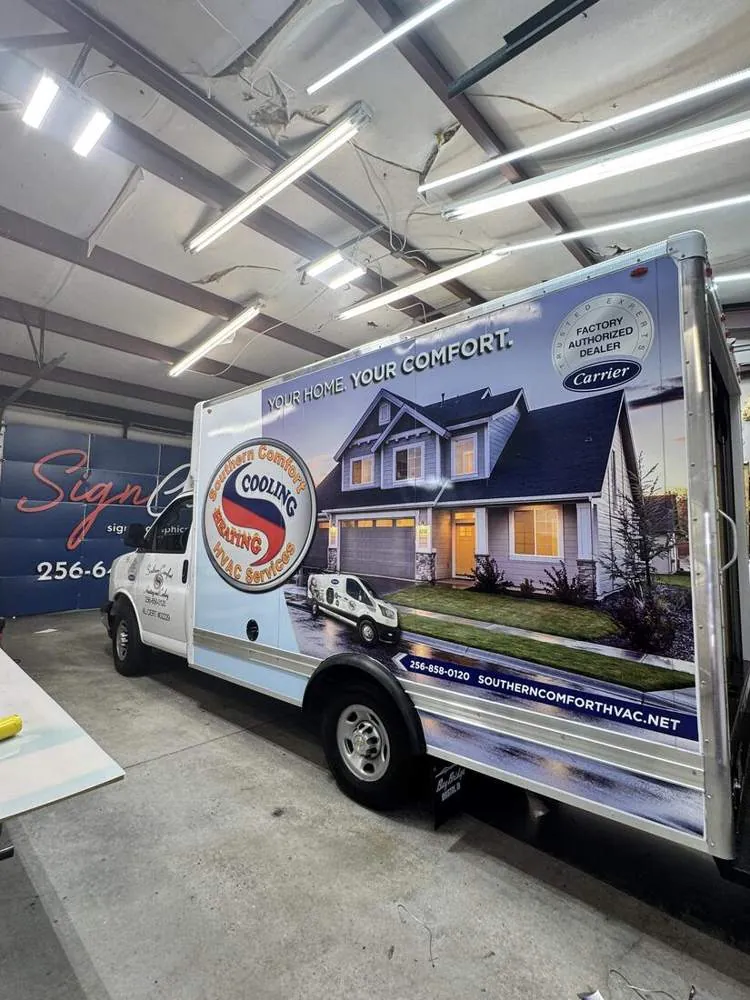
Cargo vans offer some of the largest and most effective branding surfaces in a commercial fleet: large logos, strong brand colors, simple service messaging, high-impact graphics, contact information, and calls to action. The rear doors are especially valuable because they face drivers sitting behind the vehicle in traffic.
Trailers
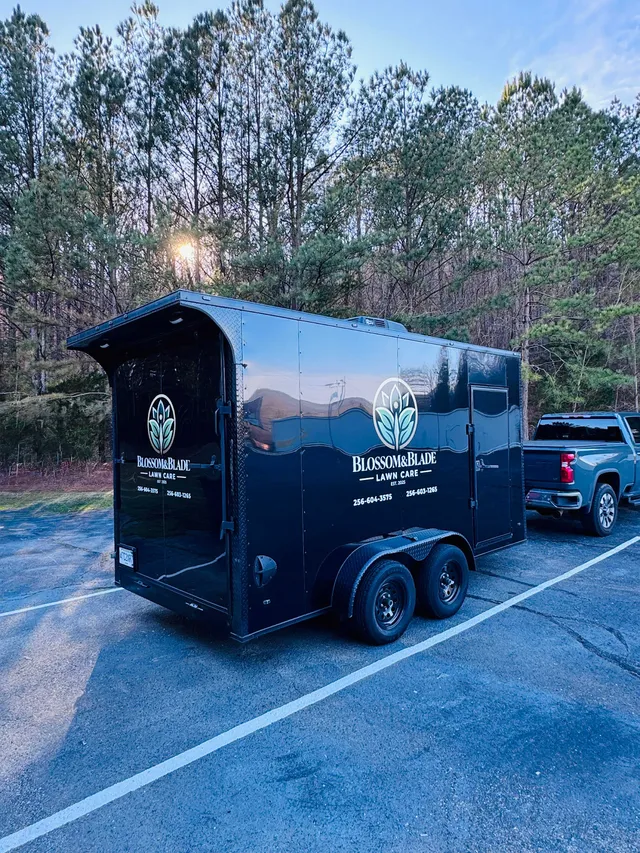
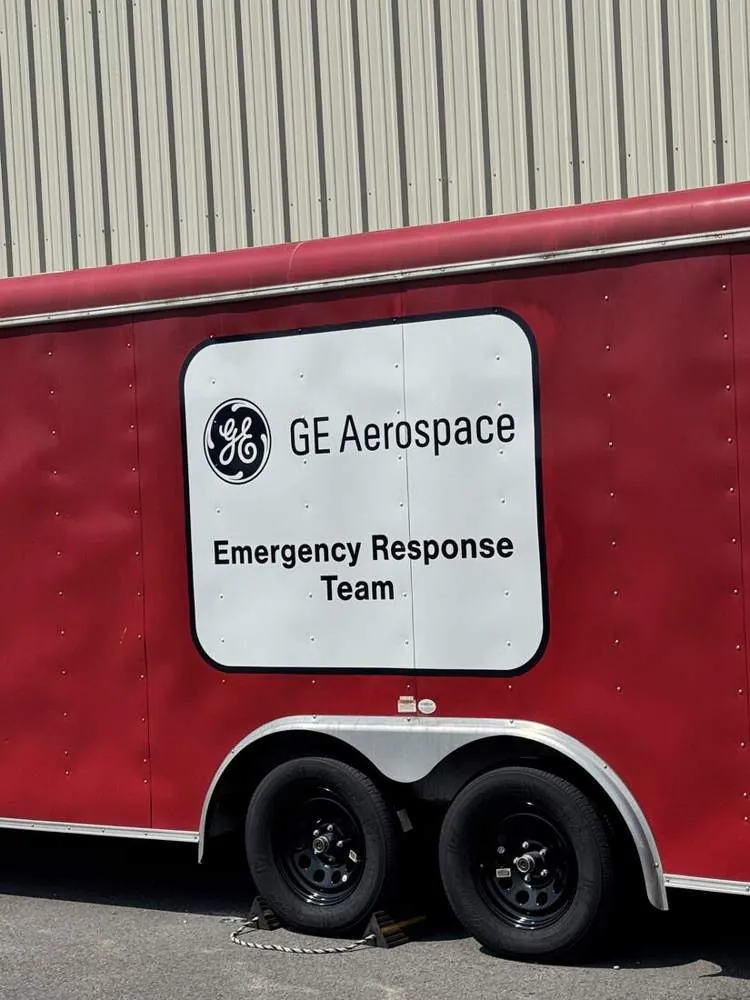
Large flat surfaces that become highly visible mobile billboards: enclosed, cargo, equipment, mobile service, food, and event trailers, with cut vinyl, printed graphics, partial or full wraps, reflective graphics, and identification numbers. Designed for the way the trailer is used, parked, transported, and viewed.
Box trucks
Some of the largest mobile branding surfaces available. Large space does not mean the design should get complicated; the larger the vehicle, the more clear visual hierarchy matters.
Equipment, rear windows & reflective graphics
Skid steers, excavators, forklifts, generators, toolboxes, job trailers, and utility equipment can carry the brand across jobsites. Perforated rear-window film adds branding while preserving outward visibility, and is always evaluated for driver visibility and local requirements. Reflective vinyl can be used selectively to improve visibility at night.
Design & messaging
A vehicle is not a brochure.
Most people will see it moving down the road, passing in the opposite direction, parked across a lot, sitting ahead of them in traffic, or entering a jobsite. Vehicle graphics must work quickly.
The five-second test
Someone sees your vehicle for five seconds. Can they answer: who is the company, what does it do, and what should they remember? If the design requires someone to stop and study the vehicle, it is trying to say too much.
Logo size matters
The logo is usually the most important element on a commercial vehicle. It should not compete with background imagery, service lists, phone numbers, patterns, decorative elements, or too many colors. A commercial vehicle is primarily a brand recognition tool, and the logo should be unmistakable.
What about the phone number?
There is no universal rule that every vehicle needs a giant phone number. In many cases a clear company name and website are more memorable than a long number. For local service businesses the number may matter more. The right choice depends on how customers actually contact you.
Should I list every service?
Usually, no. Long lists create clutter and reduce readability. Help the viewer understand the category of business: "Commercial Electrical Contractor" or "Landscape Design, Installation, Maintenance." The vehicle creates recognition and interest; the website or the conversation provides the details.
Contrast and the vehicle itself
A wrap can have excellent artwork and still perform poorly if it is hard to read. We check vehicle color, background graphics, logo and text colors, lighting, viewing distance, shadows, reflective surfaces, windows, trim, and body lines. Door seams, handles, wheel wells, fuel doors, lights, bumpers, curves, and recesses are all considered during design so nothing important lands on top of them. Driver side, passenger side, and rear each get their own hierarchy, and the finished vehicle should look like it belongs with your building signage, website, apparel, and print.
What determines the price?
There is no single price for a vehicle wrap.
Vehicle size
A cargo van needs substantially more material and labor than a compact car.
Coverage
Lettering, spot graphics, partial wraps, and full wraps need different amounts of material and installation time.
Design
Complex custom artwork may take more design time.
Vehicle condition
Existing graphics, damaged paint, rust, body damage, aftermarket accessories, and old adhesive affect preparation.
Material
Different applications call for different vinyl and laminate systems.
Installation complexity
Handles, mirrors, bumpers, rivets, deep recesses, roofs, ladders, racks, and contours affect time.
Removal
Existing vinyl may need to come off before new graphics go on.
Fleet quantity
Multiple vehicles let us standardize artwork and production.
The most accurate quote starts with the exact vehicle and the desired level of coverage.
Materials & preparation
Why professional wrap material matters.
Not all vinyl is designed for vehicles. Professional commercial wraps use films engineered for conformability, outdoor exposure, vehicle contours, repositionability during installation, adhesive performance, and clean removal under the right conditions. The laminate over printed graphics protects the image from UV, abrasion, washing, and everyday use. The system is chosen for the application, not because it is the least expensive roll on the shelf.
Will a wrap damage my paint?
A properly installed wrap on suitable factory-finished paint is intended to be removable. The condition of the surface matters: failing clear coat, peeling paint, rust, body filler, poor previous repairs, repainted panels, existing adhesive, and surface contamination can all cause problems on removal. That is why we evaluate vehicle condition before installation.
Can you wrap over rust or damage?
Vinyl does not repair the surface underneath it. Rust, peeling paint, dents, body damage, and failing clear coat should be corrected before wrapping, because a wrap follows the contours of the surface and will show the damage.
Can you wrap over existing graphics?
Sometimes they can stay, but raised edges, adhesion problems, visible outlines, uneven surfaces, and color differences usually mean the old graphics come off first for a professional result.
How do I prepare the vehicle?
Bring it free of dirt, mud, wax, grease, road tar, silicone, ceramic coatings, and heavy detailing products, which can interfere with adhesion. We send specific preparation instructions before your installation appointment.
What happens during installation?
Verification, approval, production, preparation, installation, inspection, aftercare.
Vehicle verification
We confirm the model, configuration, measurements, and condition.
Artwork approval
You review and approve the final design before production.
Production
Graphics are printed, laminated, cut, and prepared.
Surface preparation
The vehicle is cleaned and prepared for vinyl.
Installation
Graphics are positioned and installed to the approved design.
Quality check
Seams, edges, alignment, and key elements are inspected.
Care instructions
You get guidance for caring for the new graphics.
A professional wrap is a sequence, not simply putting vinyl on a vehicle.
Durability & care
Treat vehicle graphics as a branding asset that needs reasonable care.
How long does a vehicle wrap last?
There is no single lifespan. Durability depends on the vinyl system, installation, vehicle use, sun exposure, climate, storage, washing methods, horizontal versus vertical surfaces, maintenance, and environmental exposure. A vehicle stored indoors and maintained properly lives a different life than one parked outside every day.
How do I care for the graphics?
Wash regularly, remove insects, bird droppings, fuel, and contaminants promptly, use mild automotive-safe cleaners and soft wash materials, dry the vehicle when possible, inspect edges periodically, and address damage early. Avoid aggressive pressure washing near edges, harsh chemicals, abrasive brushes, scrapers, unnecessary high heat, and letting contaminants sit. SignCo provides a complete care guide after installation.
Can I use an automatic car wash?
Touchless washes are generally preferable to brush-style automatic washes, which can damage edges and wear printed surfaces. Hand washing remains one of the best ways to maintain professionally installed graphics. Pressure washing is fine with care: keep the spray off edges, seams, corners, and any area beginning to lift.
What if part of the wrap gets damaged?
Commercial vehicles work. Scratches, accidents, body repairs, and damaged panels happen. Individual areas can often be reproduced and replaced without rewrapping the whole vehicle, and SignCo keeps your original artwork files so replacement panels match.
Should I wrap a brand-new vehicle?
A new vehicle is one of the best times to install graphics. The surface is in good condition, and the vehicle enters service already representing the brand correctly. For a growing fleet, make graphics part of the vehicle acquisition process rather than an afterthought.
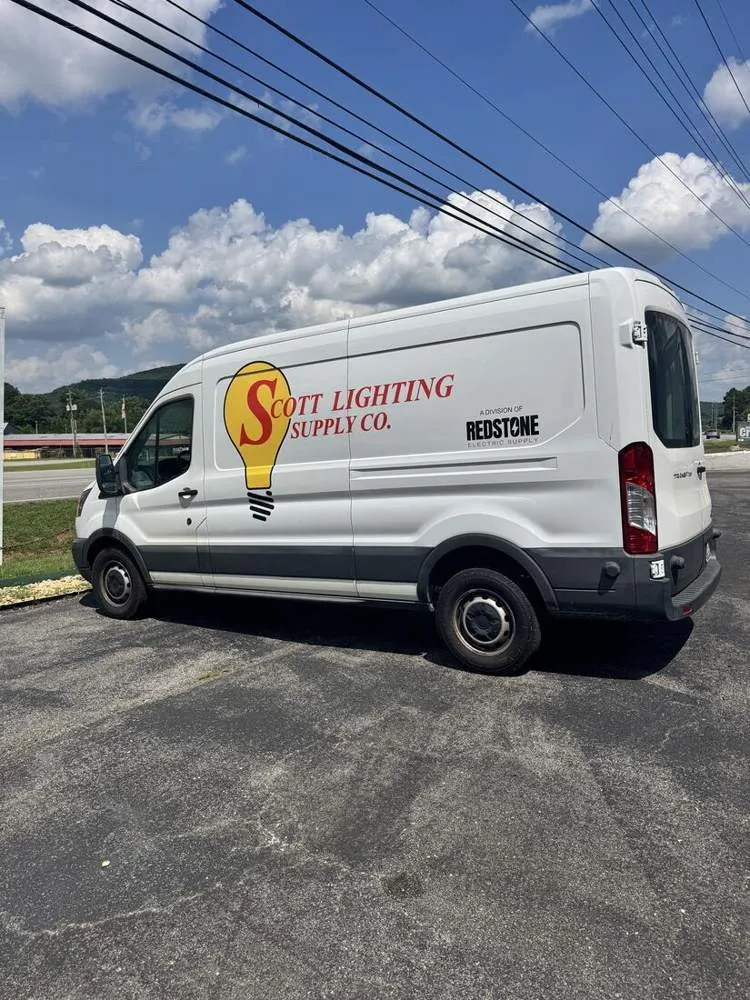
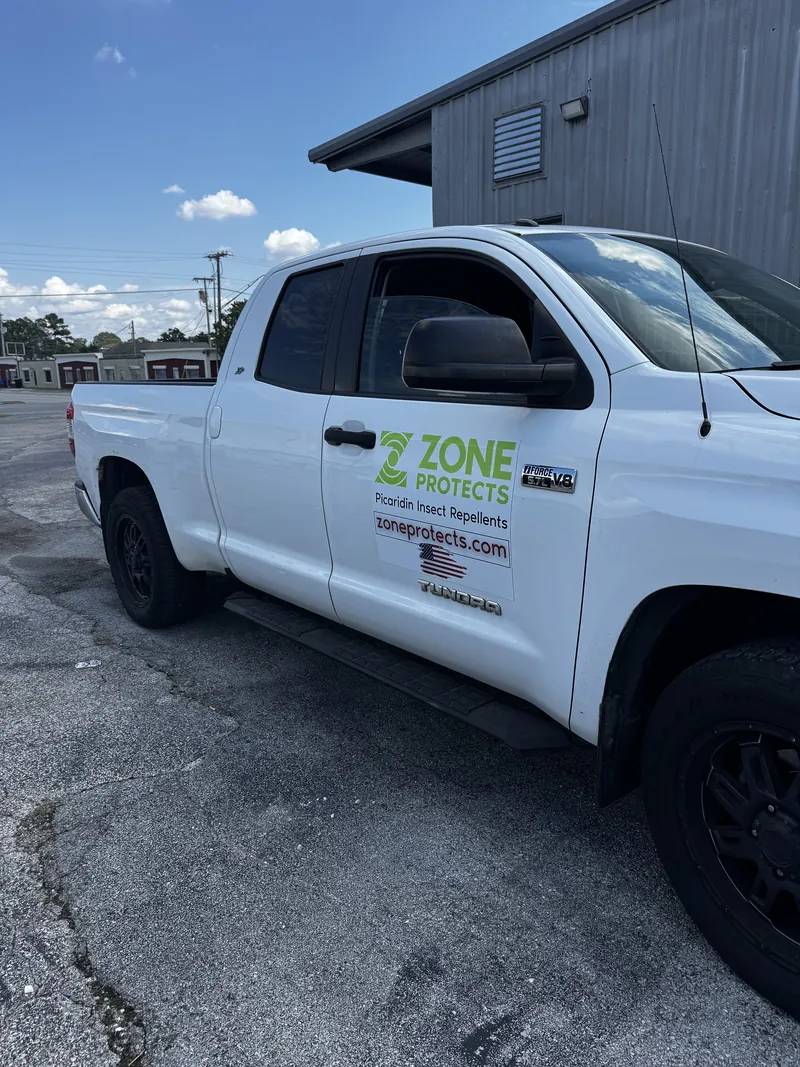
Common vehicle graphic mistakes
Eight ways a good wrap goes wrong.
Too much information
A vehicle is viewed quickly. Prioritize recognition over explanation.
Tiny contact information
What works on a screen can disappear at road distance.
Weak contrast
Graphics should stay readable under changing light and viewing conditions.
Designing without the vehicle
Door handles, seams, wheels, and body lines must be considered during design.
Making every vehicle different
Variation is fine. Inconsistency is not.
Choosing coverage before the goal
A full wrap is not automatically better than a partial wrap.
Low-quality materials
The finished product is only as good as the material, printing, preparation, and installation behind it.
Ignoring the rear
The rear is often the longest viewing opportunity.
Which option is right for me?
Coverage should follow the objective.
Vehicle lettering
Clean professional identification without dramatically changing the vehicle.
Spot graphics
More visual presence while keeping much of the original vehicle visible.
Partial wrap
Substantial brand impact while incorporating the existing paint into the design.
Full commercial wrap
Maximum control over the appearance and a complete vehicle transformation.
Fleet program
When consistency across multiple vehicles is as important as the individual design.
More vinyl is not automatically a better solution. Coverage comes after the strategy.
Interactive
The SignCo Vehicle Visibility Check.
Look at one of your vehicles from across a parking lot. Then answer:
Do not start with "how much does a wrap cost?"
Start with: what do we need this vehicle to do for the brand? A $5,000 wrap that communicates poorly is not automatically better than a simple graphic package that communicates clearly. Maybe the vehicle only needs professional identification. Maybe the factory color already fits the brand. Maybe a partial wrap creates exactly the impact you need. Maybe your service vans should become the most recognizable part of your company. Maybe your growing fleet needs a standardized system. Those are different objectives, and they need different solutions.
Ready to put your brand in motion? You do not need to know whether you need lettering, a partial wrap, or a full wrap before contacting us. Show us the vehicle. Show us your brand. Tell us where the vehicle goes and what you want it to accomplish. We will help you determine the right solution.
Build my vehicle graphics plan.
Your vehicles are already moving through your market. Make sure your brand is moving with them.