The Sign Guide
Choosing the right sign starts with knowing what you need it to do.
A sign is more than a name on a wall. The right sign can help people find your business, identify your building, understand what you offer, navigate your property, reinforce your brand, promote an event, or communicate with customers around the clock. The best sign is not the biggest, brightest, or most expensive option. It is the one designed for the location, viewing distance, audience, environment, and objective.
Start here
Start with the objective.
Before deciding what kind of sign you need, answer one question: what does this sign need to accomplish? Once the objective is clear, choosing the right sign becomes much easier.
Identify
Tell people who you are.
Attract
Get the attention of people passing your business.
Direct
Help visitors navigate your property or facility.
Inform
Communicate hours, services, instructions, policies, or other information.
Promote
Advertise an event, product, offer, opening, or announcement.
Reinforce
Strengthen your brand throughout your physical environment.
Recognize
Honor donors, employees, sponsors, achievements, history, or community partners.
Building signs
Channel letters, dimensional letters, cabinets, and push-through signs.
Building signs are usually the primary identification for a business or organization. Their job is simple: make the location easy to find and the brand easy to recognize.
Channel letters
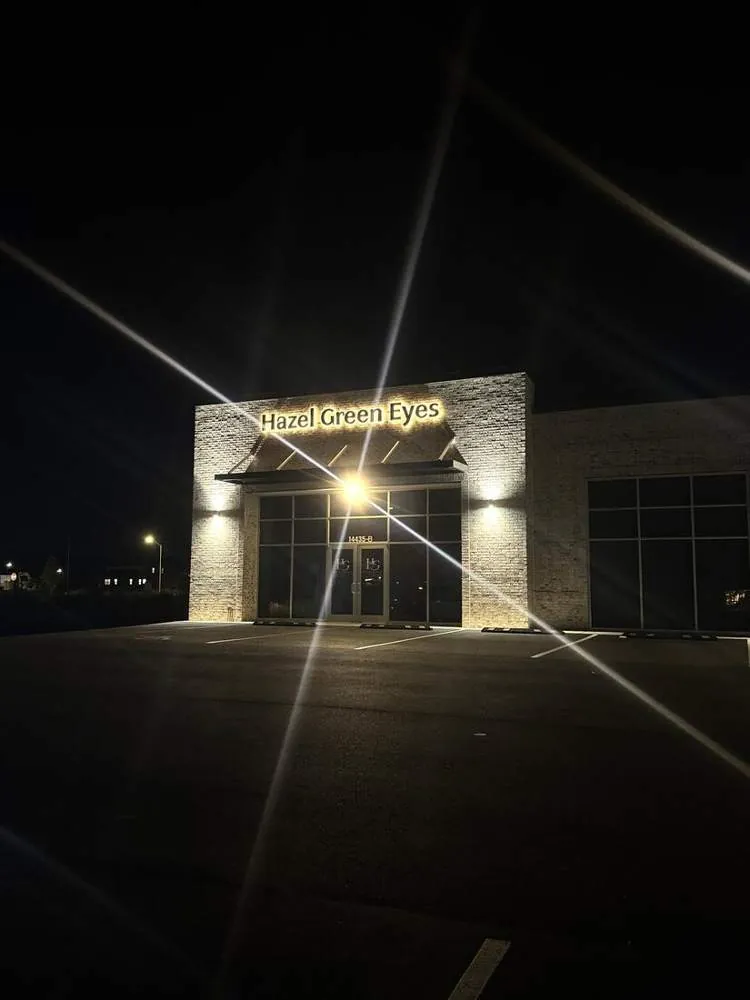
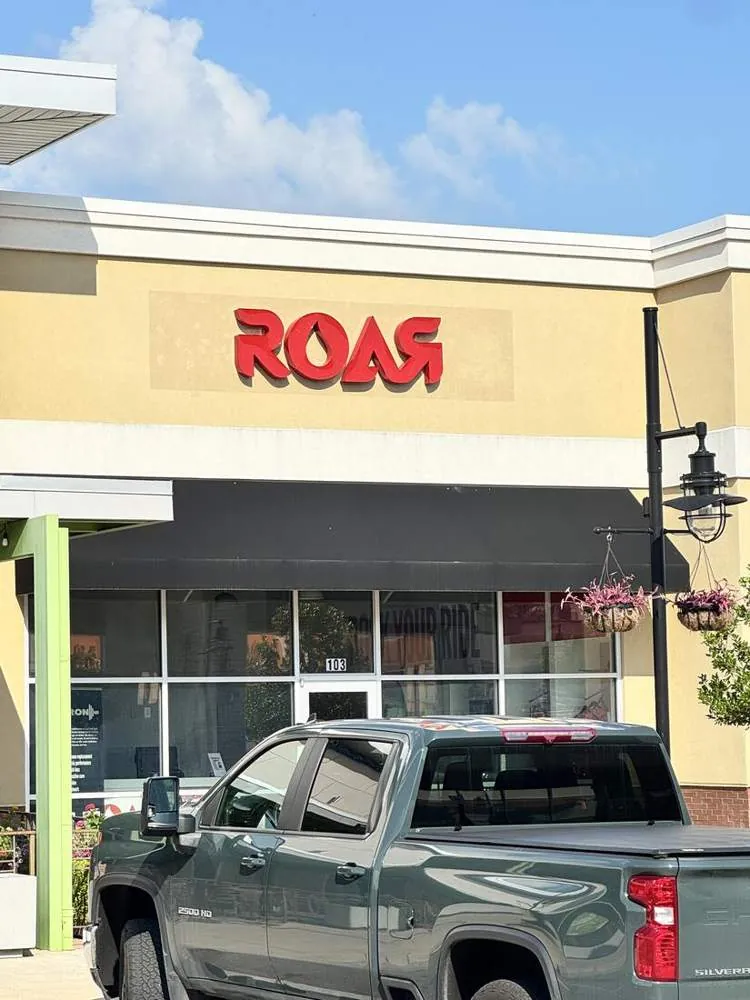
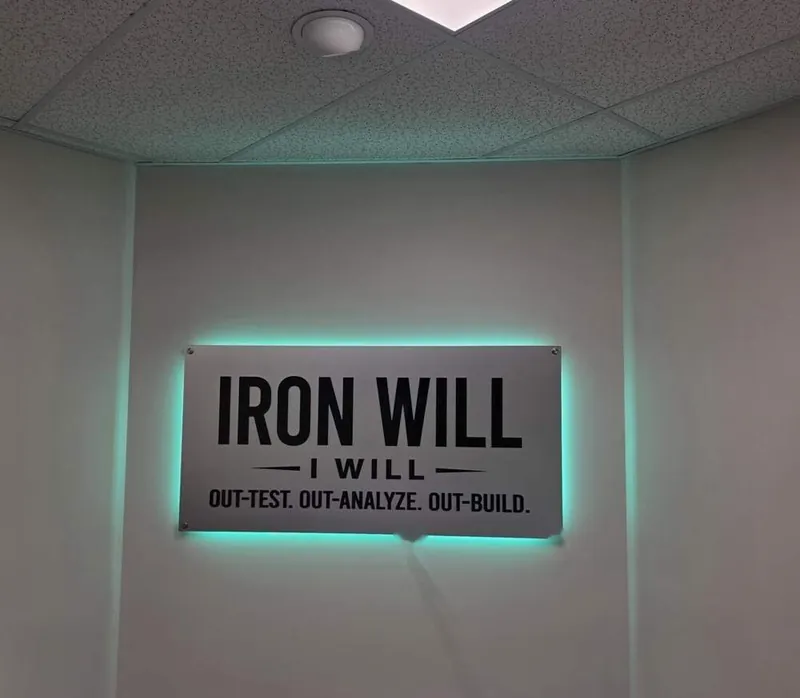
Individually fabricated letters or logos mounted directly to a building or to a raceway, and one of the most common choices for professional storefront and commercial building signage. Face-lit letters illuminate through the face, the classic appearance with excellent nighttime readability. Halo-lit letters shine light from behind onto the wall for a glow around each character and a more architectural, upscale look. Combination-lit letters do both. See our halo-lit letters.
Best for
- Retail
- Restaurants
- Medical offices
- Professional offices
- Shopping centers
- Churches
- Corporate facilities
- Strong nighttime visibility
Why choose channel letters? Strong visibility, dimensional appearance, professional presentation, and excellent nighttime identification.
Dimensional letters & logos
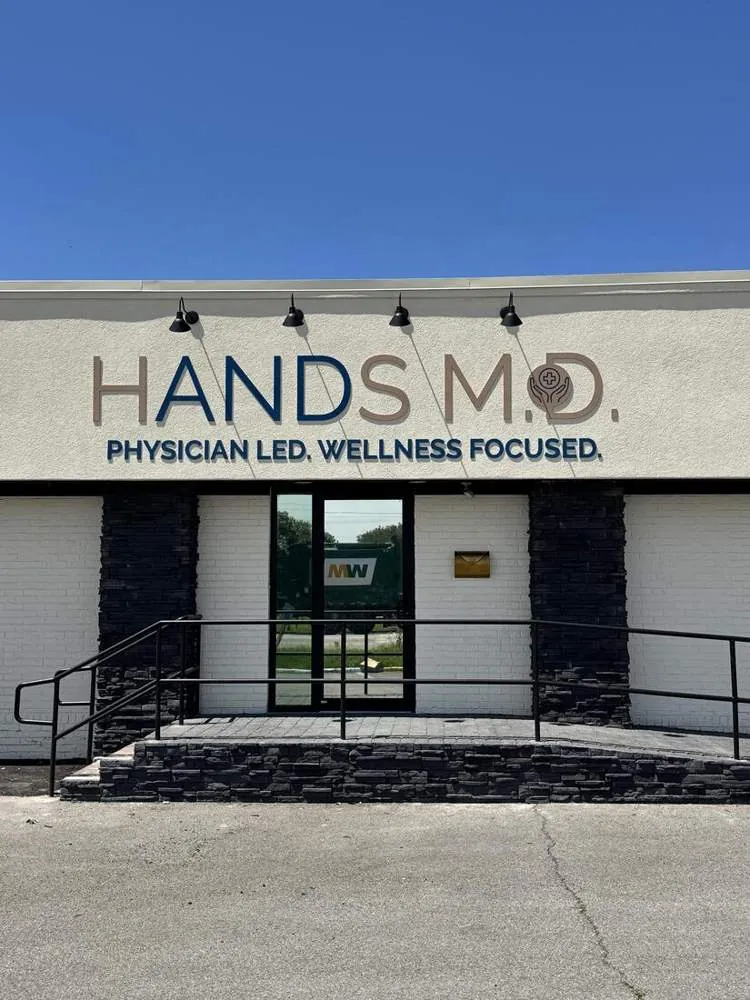
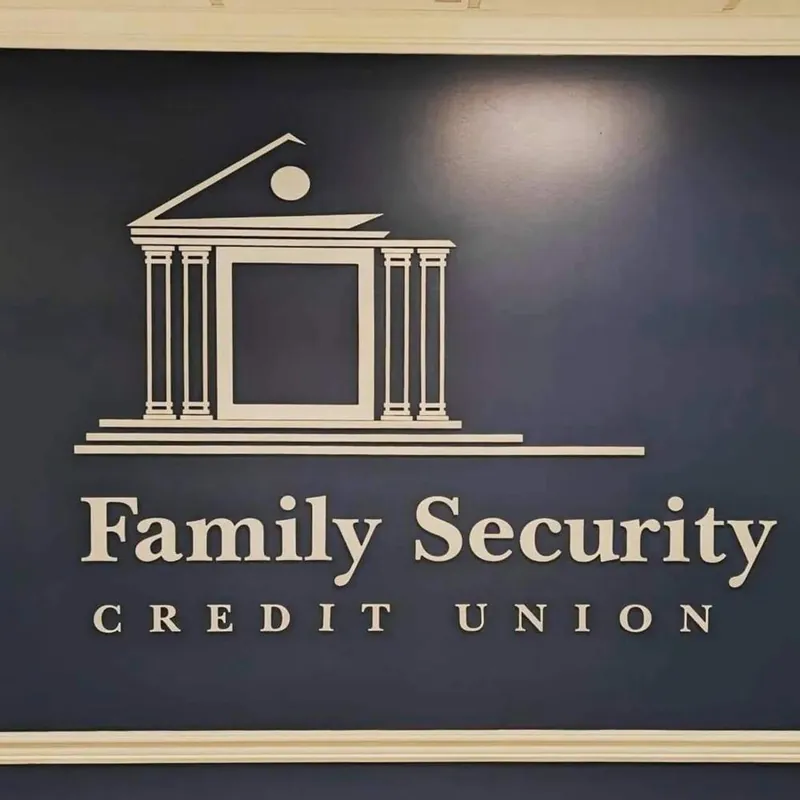
Depth without necessarily needing internal illumination. Letters and logos can be made from acrylic, aluminum, PVC, HDU, or fabricated metal, mounted flush, on spacers for added depth, or lit externally.
Best for
- Office buildings
- Corporate facilities
- Schools
- Churches
- Interior walls
- Reception areas
- A clean architectural appearance
Why choose dimensional signage? A polished appearance without the visual weight of a traditional sign cabinet.
Sign cabinets
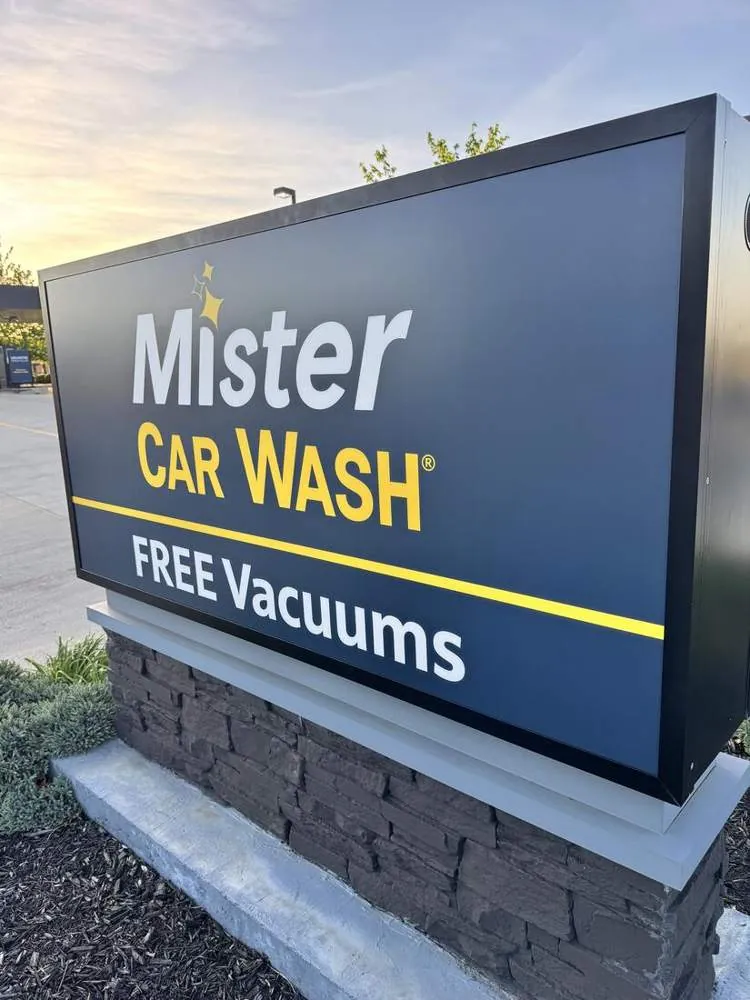
An enclosed sign structure with one or more illuminated or non-illuminated faces, mounted to a building, pole, monument, or existing structure. Especially useful when a business already has a cabinet or pole that can be refaced or updated.
Best for
- Large sign faces
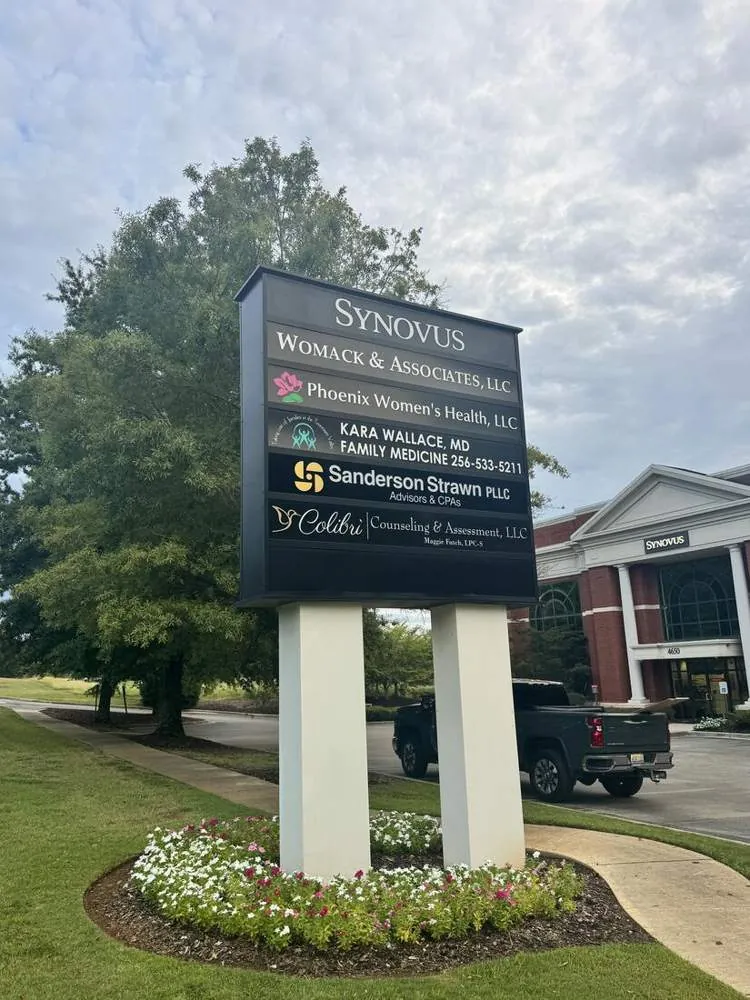
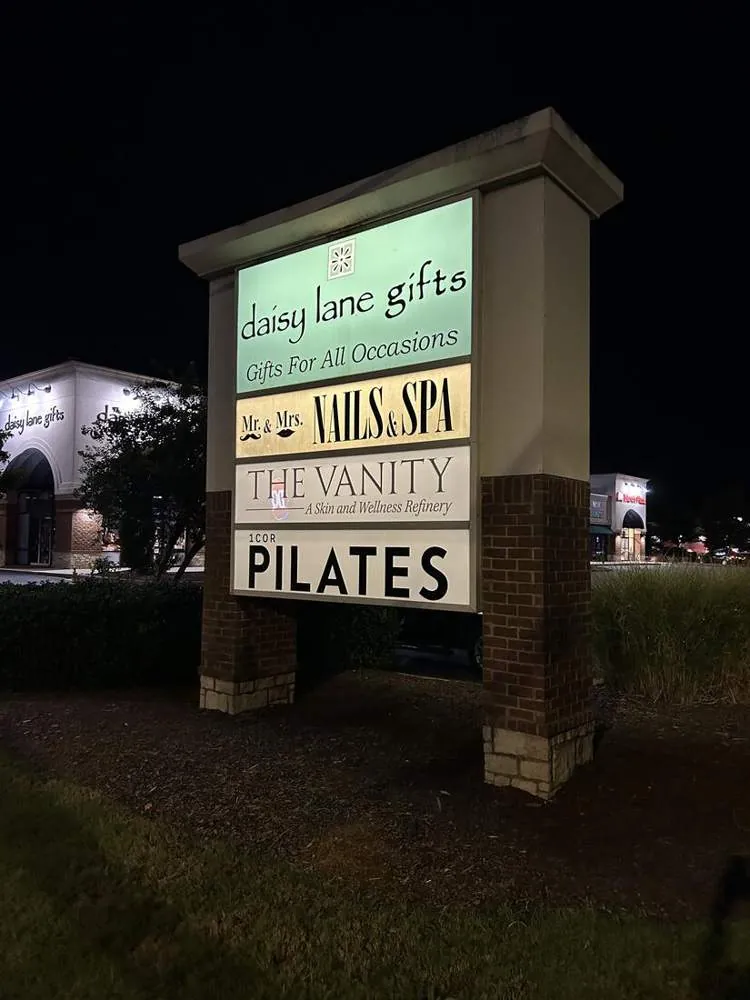
- Multi-tenant properties
- Roadside identification
- Existing sign structures
- When illumination matters
Routed & push-through signs
An aluminum face with letters or logos cut from the panel. Acrylic sits behind the openings or pushes through the face to create dimensional illuminated graphics while keeping the look of a single fabricated sign.
Best for
- Professional offices
- Restaurants
- Retail
- Corporate environments
- Modern storefronts
Freestanding & panel signs
Panel signs and monument signs.
Panel signs
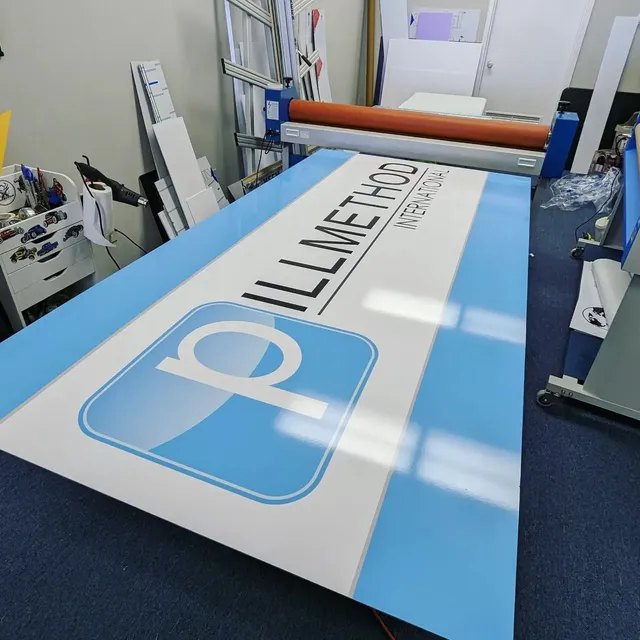
Among the most versatile sign types available, fabricated from aluminum composite, aluminum, PVC, acrylic, HDU, and other substrates, from simple printed graphics to routed, layered, dimensional, or illuminated designs.
Best for
- Building identification
- Directional signs
- Construction signs
- Property management
- Parking signs
- Real estate signs
- Industrial facilities
- Temporary or permanent
Monument signs
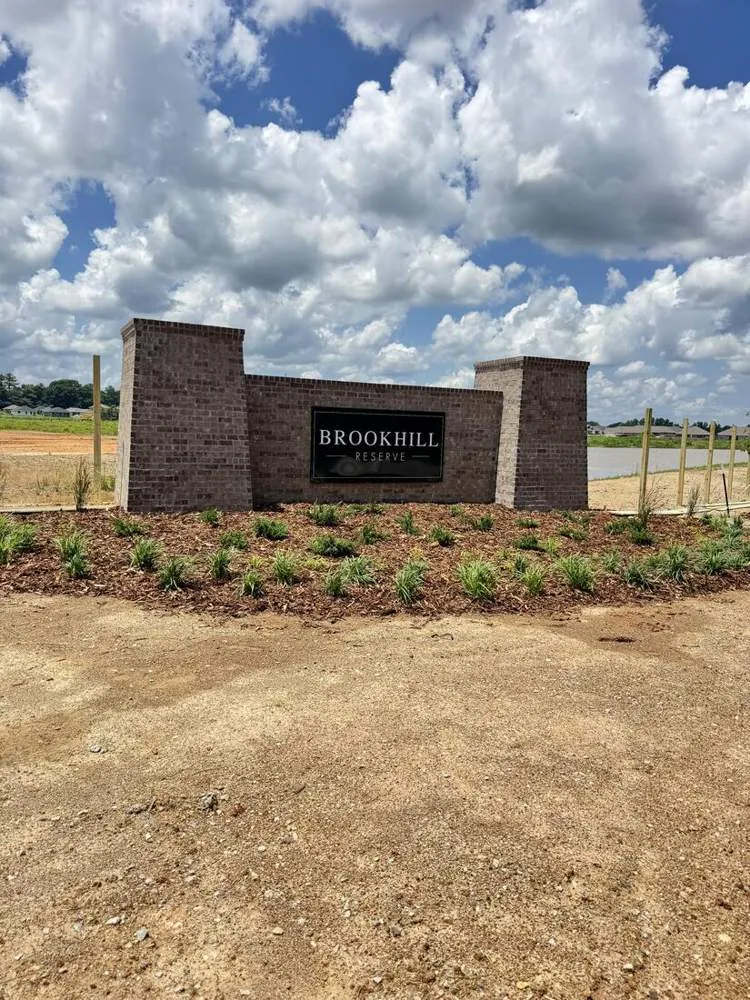
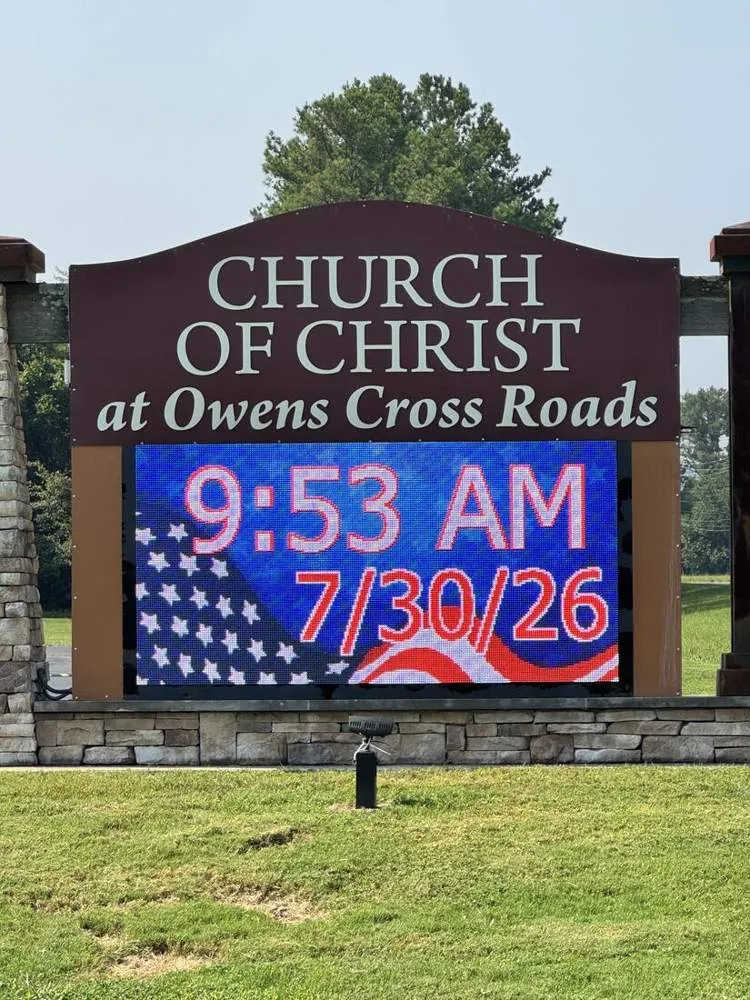
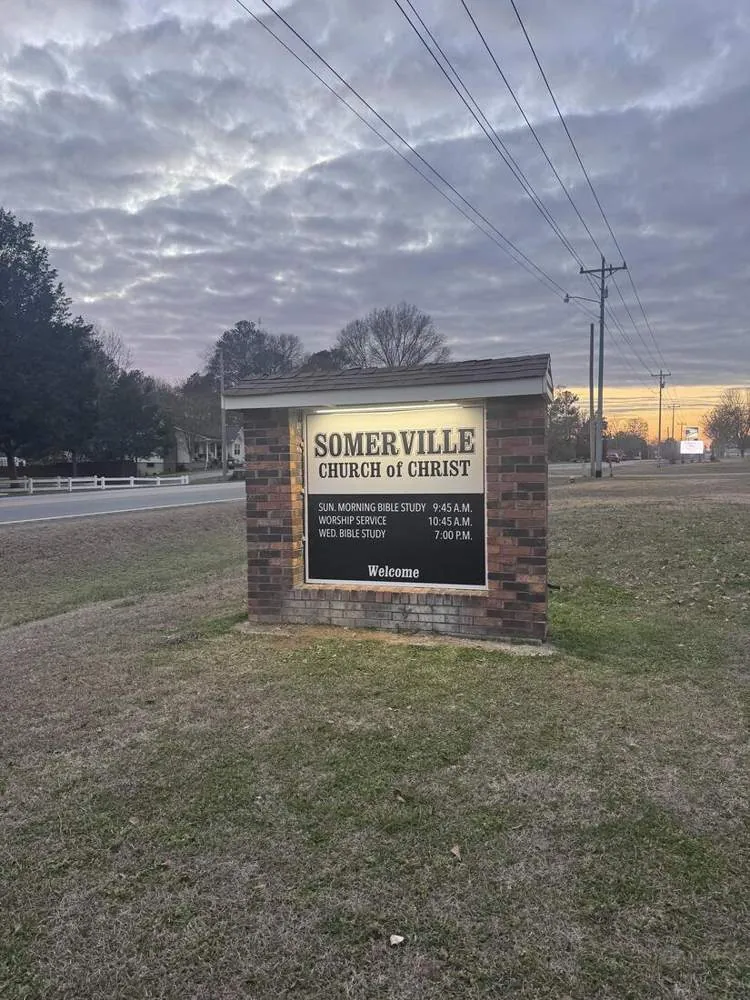
Freestanding signs near the entrance to a property, positioned closer to ground level and designed to complement the architecture. They can incorporate dimensional letters, illuminated cabinets, electronic message centers, routed panels, masonry, stone or brick, aluminum structures, and multiple tenant panels.
Best for
- Churches
- Schools
- Medical offices
- Business parks
- Neighborhoods
- Corporate campuses
- Professional offices
- Municipal facilities
Why choose a monument sign? A strong sense of permanence, and identification before visitors ever reach the building.
High-visibility roadside signs
Pole, pylon, and electronic message centers.
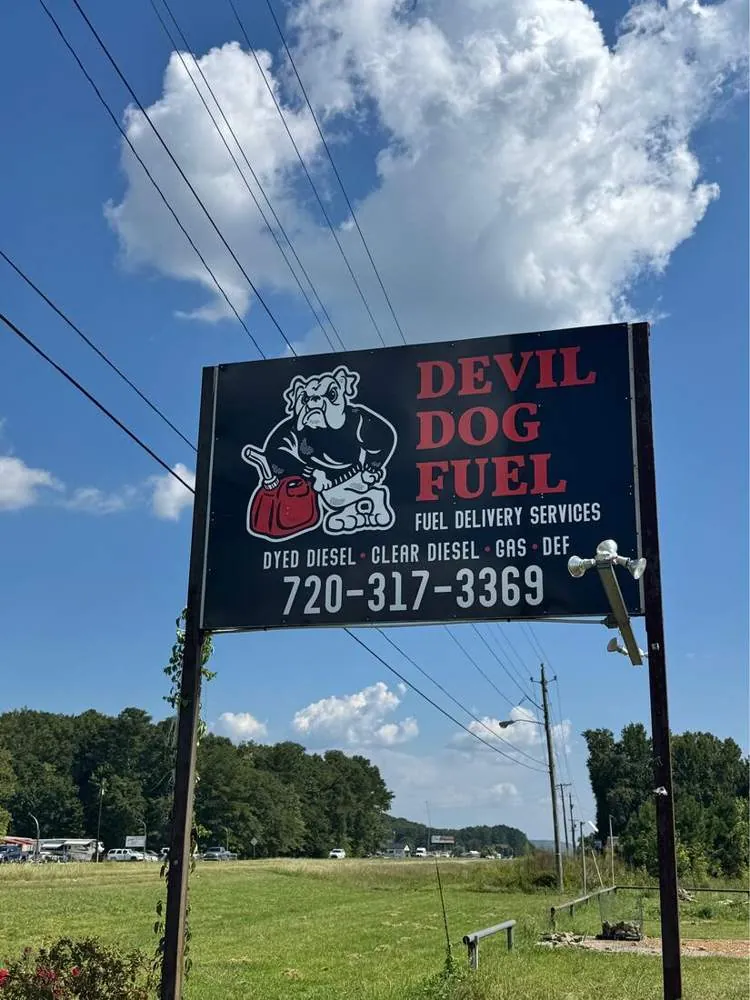
Pole & pylon signs
Elevate signage above ground level to increase viewing distance. Height can dramatically improve visibility when buildings, trees, terrain, traffic, or neighboring properties block the view of the business.
Best for
- High-speed roads
- Businesses set back from the road
- Shopping centers
- Gas stations
- Restaurants
- Large commercial properties
Electronic message centers
An electronic message center, or EMC, lets an organization change its message digitally: events, promotions, hours, announcements, community messages, safety information, and calls to action.
Best for
- Churches
- Schools
- Banks
- Municipal facilities
- Retail centers
- Automotive businesses
- Frequently changing information
Why choose an electronic message center? Traditional signs identify your organization. A digital display lets you talk to passing traffic every day.
Window & door graphics
The largest unused advertising space on most storefronts.
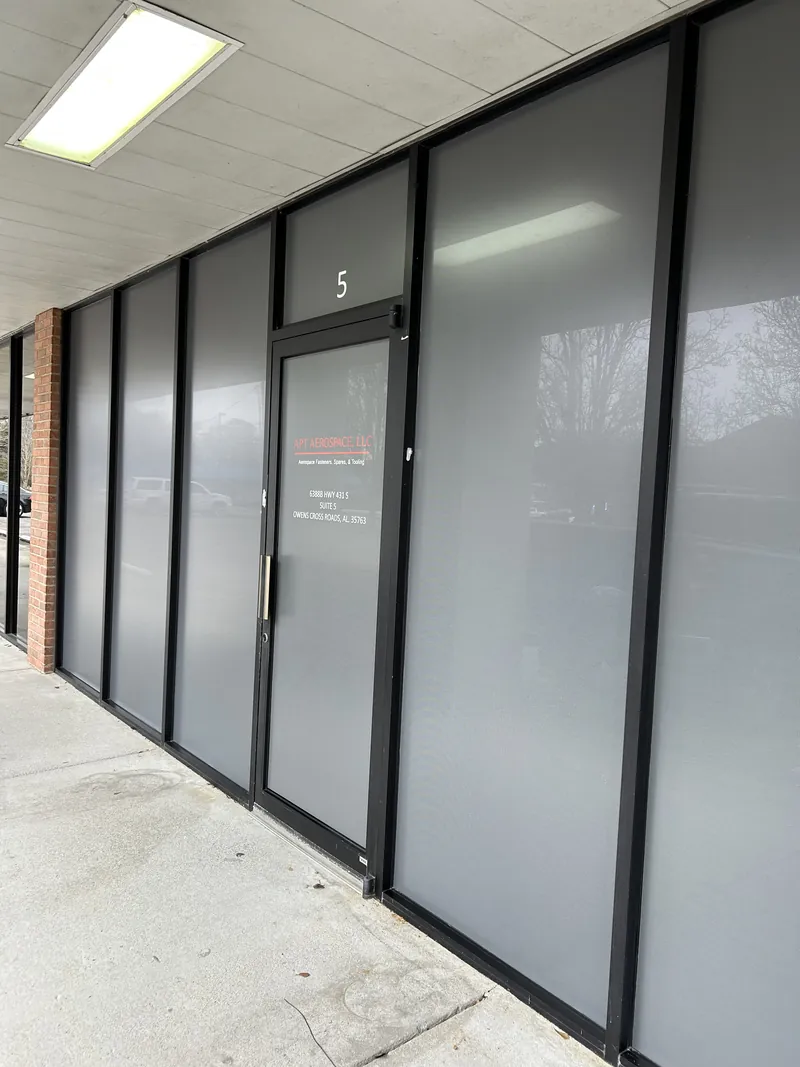
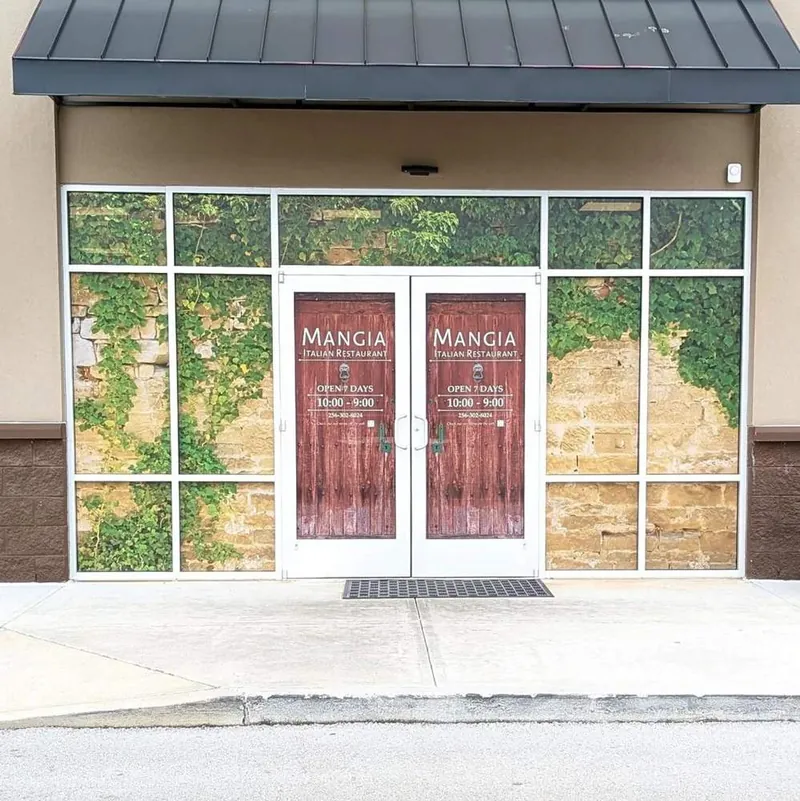
Windows are often one of the largest unused advertising spaces on a storefront. Graphics can add branding, privacy, promotion, or decoration without adding another traditional sign.
Cut vinyl
Ideal for logos, hours, lettering, and simple graphics.
Printed window graphics
Full-color graphics that turn an entire window into advertising space.
Perforated window film
Printed graphics seen from outside while keeping visibility from inside.
Frosted film
Privacy that keeps the natural light and adds an upscale appearance.
Best for
- Storefronts
- Offices
- Medical facilities
- Restaurants
- Retail spaces
- Schools
- Corporate environments
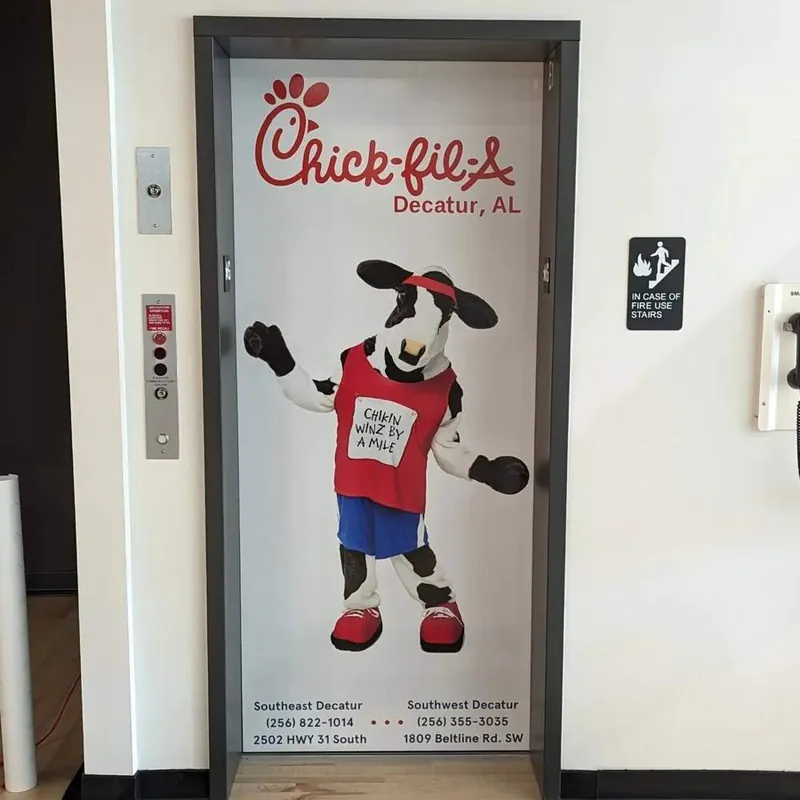
Door graphics
A customer's final few feet before entering are another chance to communicate: business hours, logos, contact information, suite numbers, entry instructions, certifications, QR codes, and promotional messages. Small details like these make a storefront look complete and professional.
Interior signs & branded environments
The customer experience does not end at the door.
Interior signage can reinforce your brand, improve navigation, and turn your facility into a branded environment.
Lobby & reception signs
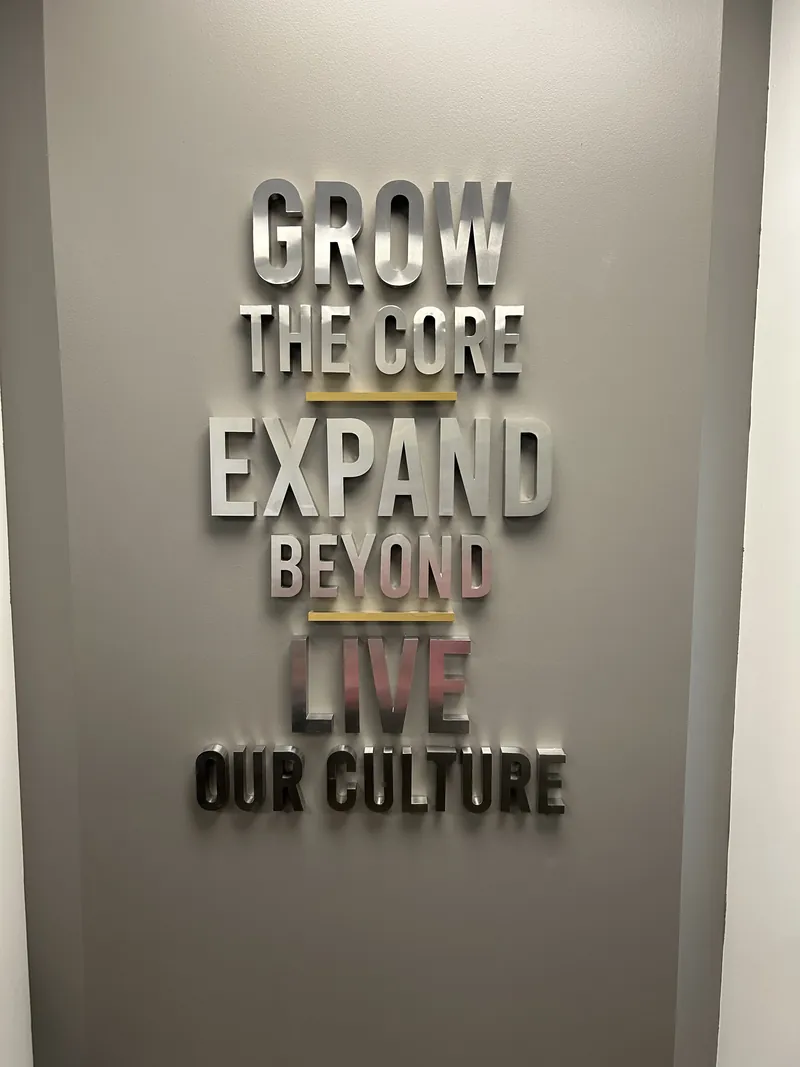
A lobby sign creates one of the strongest interior brand impressions. Common styles: dimensional acrylic letters, metal letters, fabricated letters, illuminated logos, halo-lit letters, routed panels, layered signs, printed acrylic, and standoff-mounted panels.
Best for
- Corporate offices
- Medical offices
- Churches
- Schools
- Manufacturing facilities
- Professional offices
- Reception areas
Wall graphics & murals
Large blank walls can become some of the most powerful branding opportunities inside a facility: brand identity, company history, mission and values, culture, products, services, community involvement, employee recognition, and inspirational messaging.
Best for
- Offices
- Schools
- Churches
- Gyms
- Manufacturing facilities
- Retail spaces
- Restaurants
- Corporate environments
Wayfinding, ADA & directional signs
Visitors should rarely have to ask where to go.
Wayfinding systems
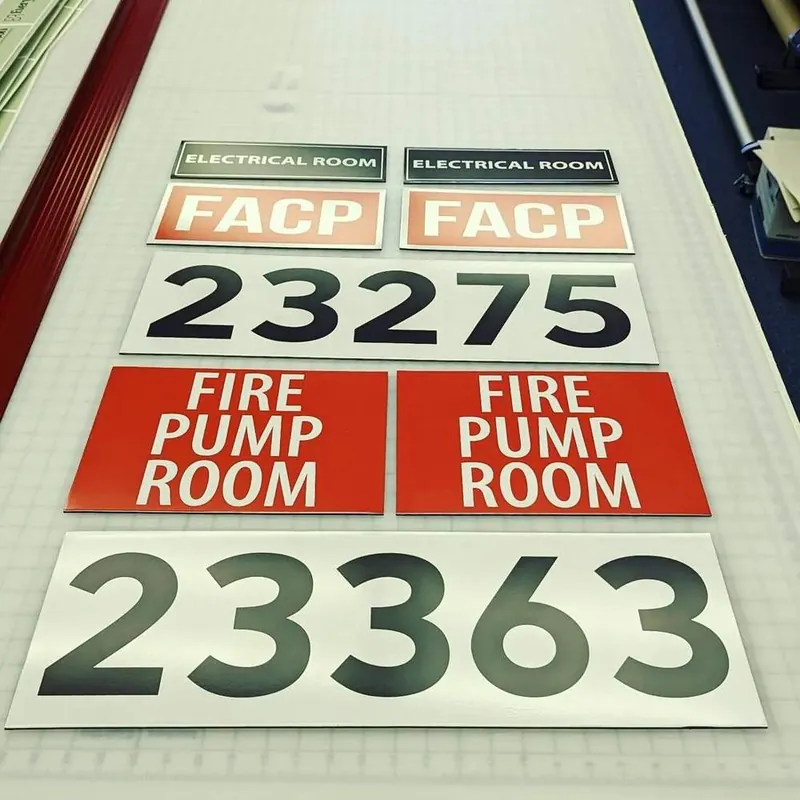
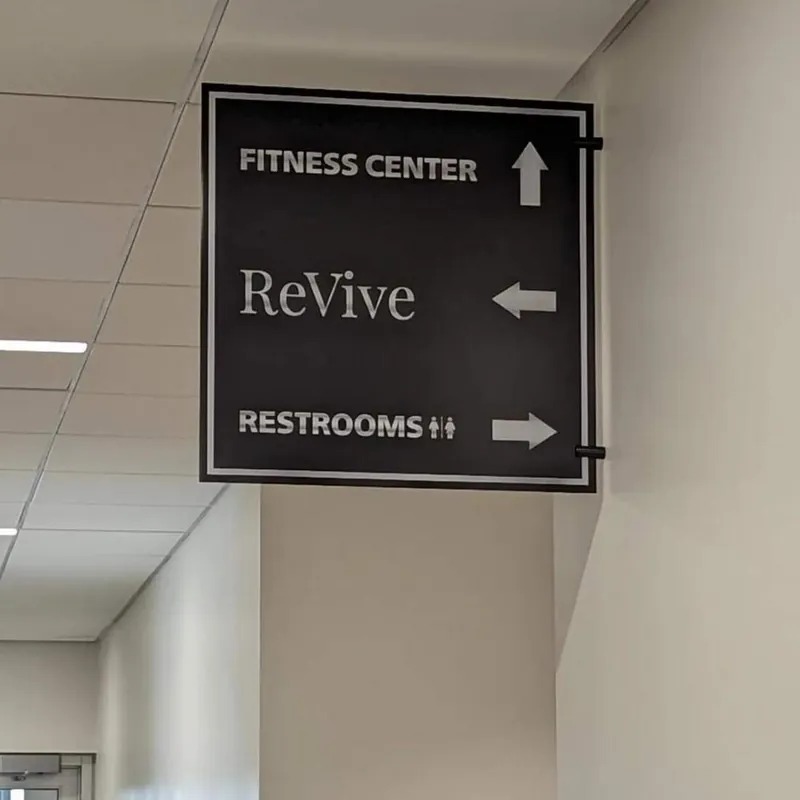
Building directories, directional signs, room and floor identification, parking signs, entrance signs, department identification, and campus maps. The best wayfinding systems are designed as a complete family rather than a collection of unrelated signs.
Best for
- Schools
- Churches
- Hospitals
- Medical offices
- Corporate campuses
- Manufacturing plants
- Multi-building facilities
ADA & room identification
Many facilities require signage that meets accessibility requirements: specific letter sizes, contrast, mounting locations, Braille, raised characters, and pictograms. ADA signage can still be designed to complement the rest of your environment rather than looking like an afterthought.
Directional & parking signs
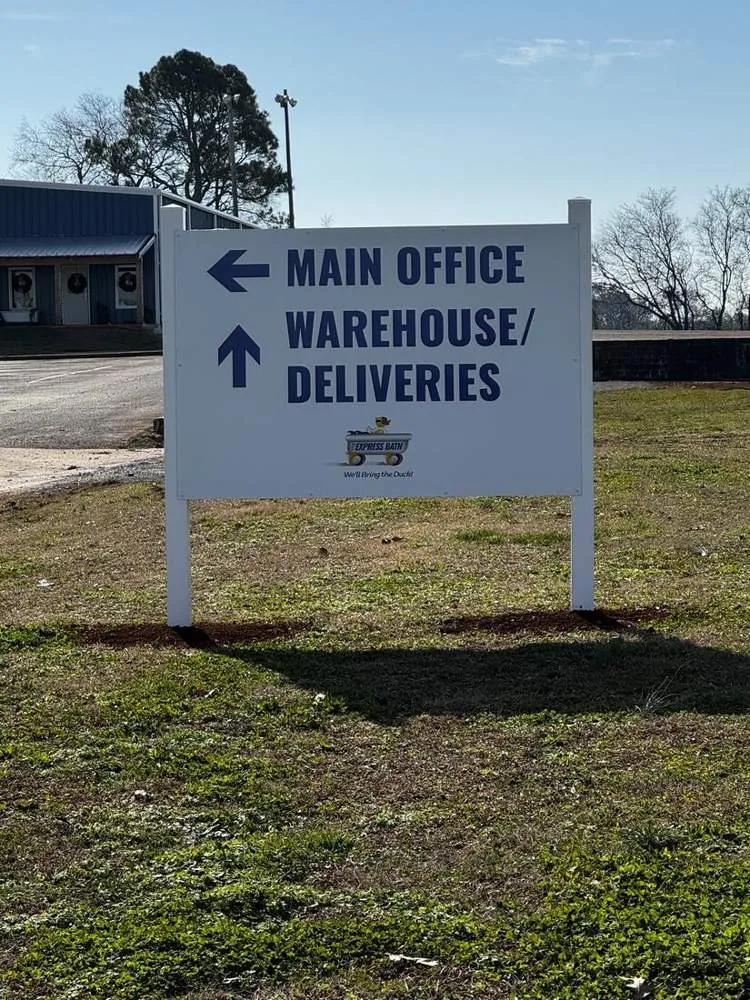
Visitor and employee parking, delivery entrances, drive-thru direction, pickup areas, building entrances, loading docks, traffic flow, and reserved spaces. Not the most glamorous part of a signage system, but a major part of the customer experience. See ADA and wayfinding.
Temporary & promotional signs
Not every sign needs to last for years.
Temporary signage is a flexible, cost-effective way to communicate changing messages.
Banners
Grand openings, sales, events, sponsorships, construction, temporary identification, and seasonal promotions, installed on buildings, fences, poles, or freestanding display systems.
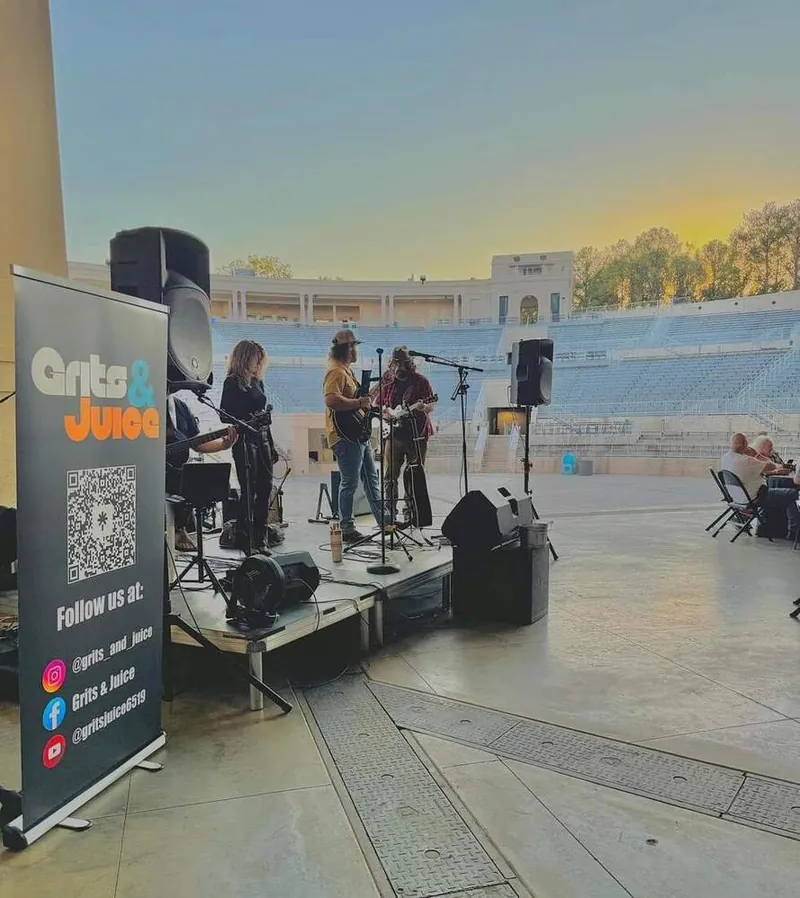
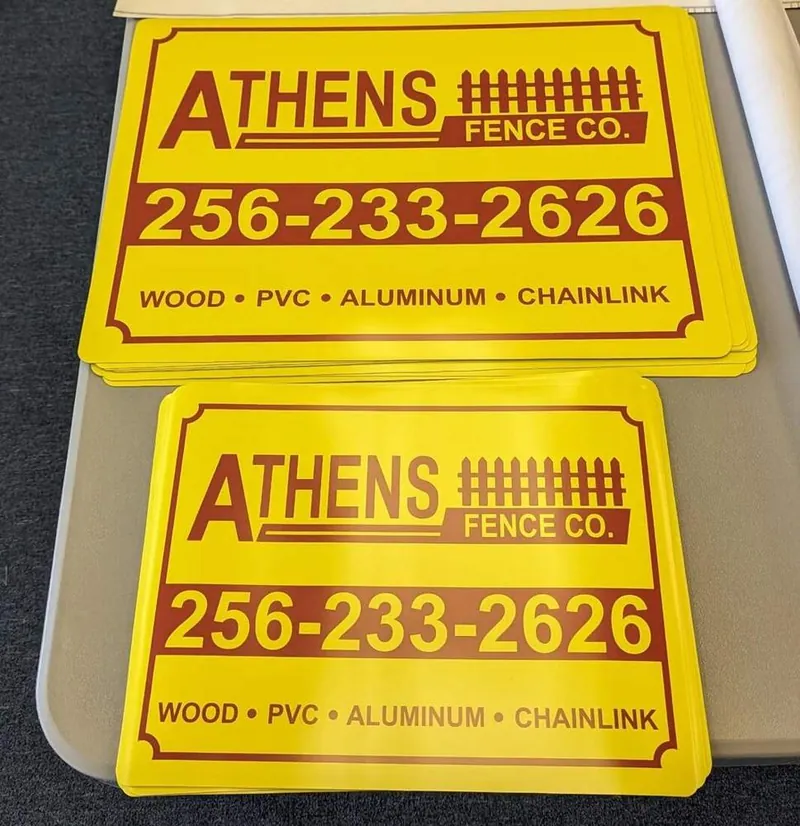
Yard signs
One of the simplest ways to create repeated visibility throughout a community. Strategically placed signs reinforce a brand in the exact areas where customers live and work.
Best for
- Contractors
- Real estate
- Schools
- Churches
- Political campaigns
- Events
- Grand openings
- Directional signage
- Service businesses
Flags & portable displays
Feather flags, teardrop flags, retractable banners, tension fabric displays, table covers, and pop-up displays add movement and height, which is why they work for events, trade shows, grand openings, and temporary promotions.
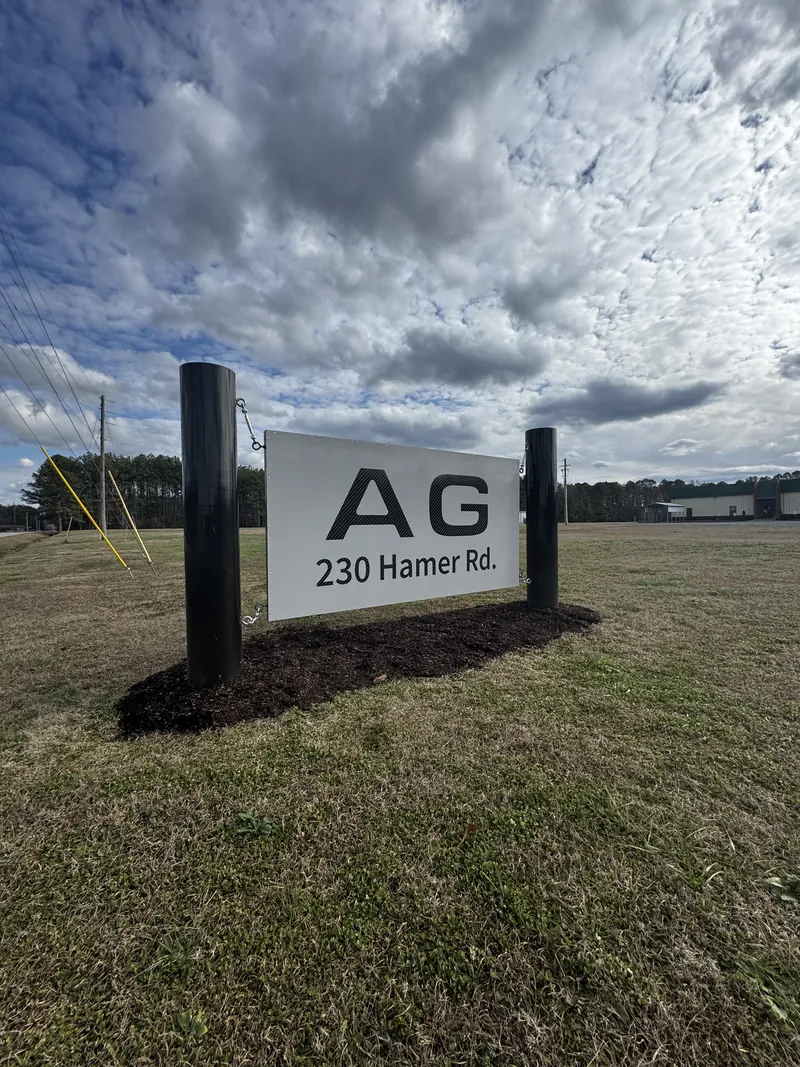
Post & panel signs
An attractive freestanding solution without a full monument structure, from simple aluminum panels to routed HDU signs with decorative posts and dimensional graphics.
Best for
- Real estate
- Professional offices
- Churches
- Neighborhoods
- Small businesses
- Directional signage
- Property identification
Illumination, size & readability
Design for the real view.
Illuminated or non-illuminated?
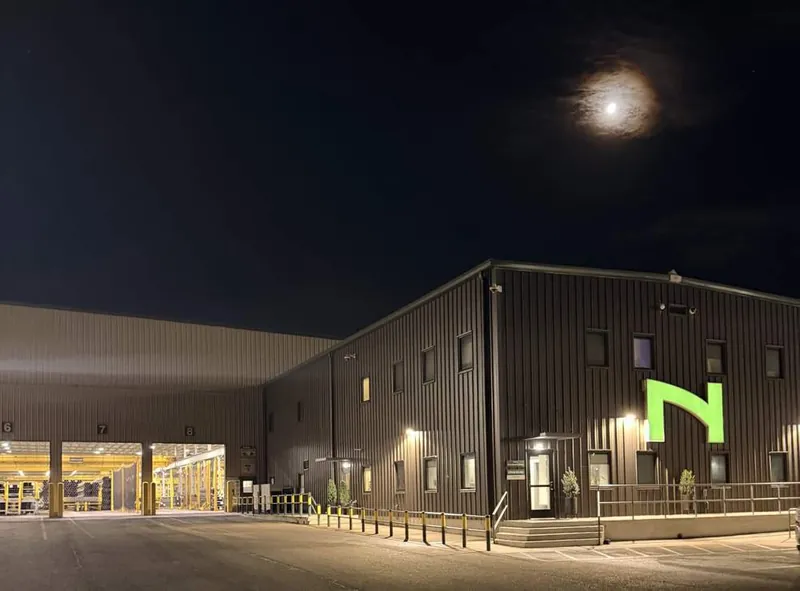
Ask: will customers need to find us after dark? Does our building sit on a busy road? Are nearby businesses illuminated? Will the sign become hard to see once daylight changes? Is nighttime traffic important to our business? Options include internal LED illumination, face illumination, halo illumination, external spotlights, cabinet illumination, and electronic displays. A sign may technically be visible without lighting, but visibility and readability are not the same thing.
How big should my sign be?
One of the most common questions we get, and the answer depends on much more than the wall. We evaluate viewing distance, traffic speed, building setback, sign height, letter height, contrast, surrounding visual clutter, architectural scale, and local sign regulations. A sign that looks large from ten feet away can look surprisingly small from 300 feet at 45 miles per hour.
Contrast matters
A beautiful design with poor contrast can become almost invisible from a distance. We look at letter color, background color, building color, shadows, lighting, surrounding architecture, and how the sign reads by day and by night. The goal is a sign that is attractive and easy to read.
Materials matter
Chosen for the job, not because it is the cheapest.
Material depends on indoor or outdoor use, expected lifespan, weather exposure, size, structural requirements, illumination, appearance, and budget.
Aluminum
Durable, lightweight, and excellent for exterior applications.
Aluminum composite
A versatile panel product used for exterior and interior signage.
Acrylic
Dimensional letters, illuminated signs, lobby signs, and architectural applications.
PVC
A rigid material for dimensional and interior signage.
HDU
High-density urethane, routed and carved for a traditional or architectural look.
Vinyl
Lettering and graphics for windows, walls, vehicles, and more.
Polycarbonate
Durable illuminated sign faces.
Fabricated metal
Cabinets, dimensional letters, architectural signs, and custom structures.
Price & permits
What determines the price of a sign?
There is no meaningful universal price per square foot. Two signs of the same size can cost very different amounts depending on size, materials, illumination, fabrication complexity, structural and electrical requirements, engineering, permits, installation height, equipment, accessibility, existing conditions, removal of old signage, custom finishes, number of colors, and quantity. The best way to set a realistic budget is to decide first what the sign needs to accomplish.
Do I need a sign permit?
Many permanent exterior signs require approval from the local municipality or governing authority. Permitting may involve sign dimensions, square footage, setbacks, height restrictions, illumination, electrical requirements, engineering, site plans, landlord approval, and historic district requirements. Each municipality has individual zoning and ordinance requirements. We will use our 20+ years of experience to navigate that process during our planning consultation, and we apply for and obtain all necessary permits before installation.
How big should my sign be?
It depends on viewing distance, traffic speed, building setback, sign height, letter height, contrast, surrounding visual clutter, architectural scale, and local sign regulations. We design for where the customer will actually see it, not for where the designer is sitting.
Installation
Considered during design, not after the sign is built.
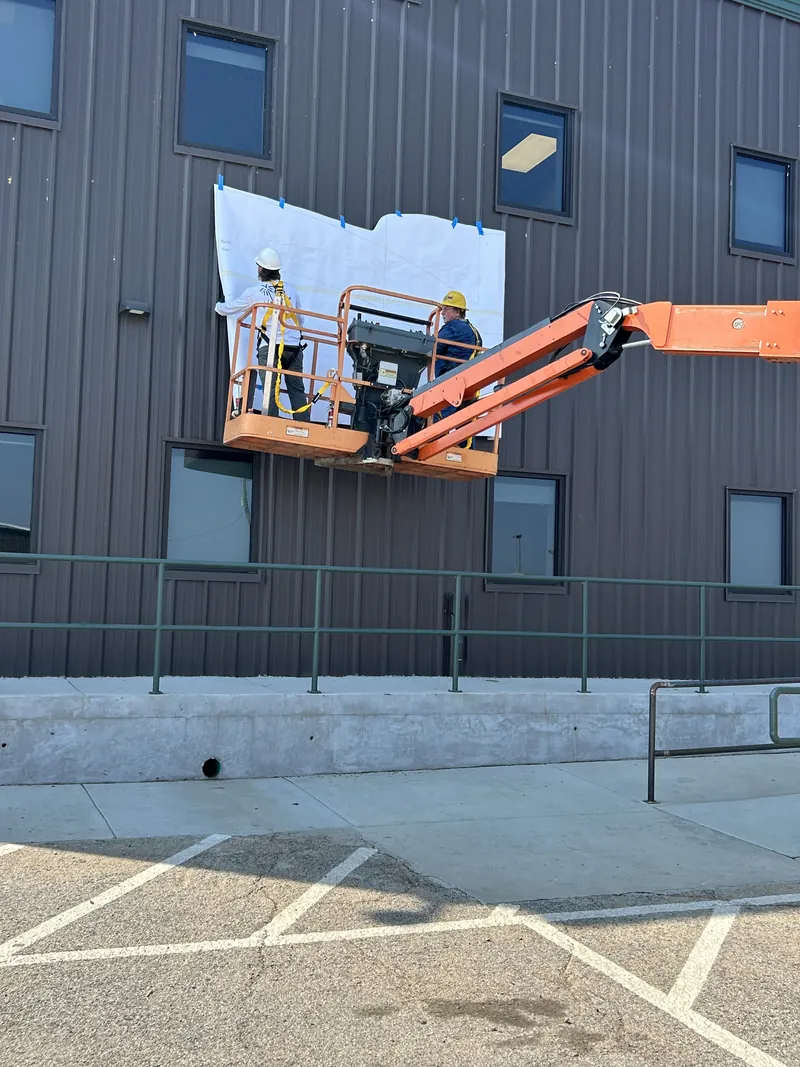
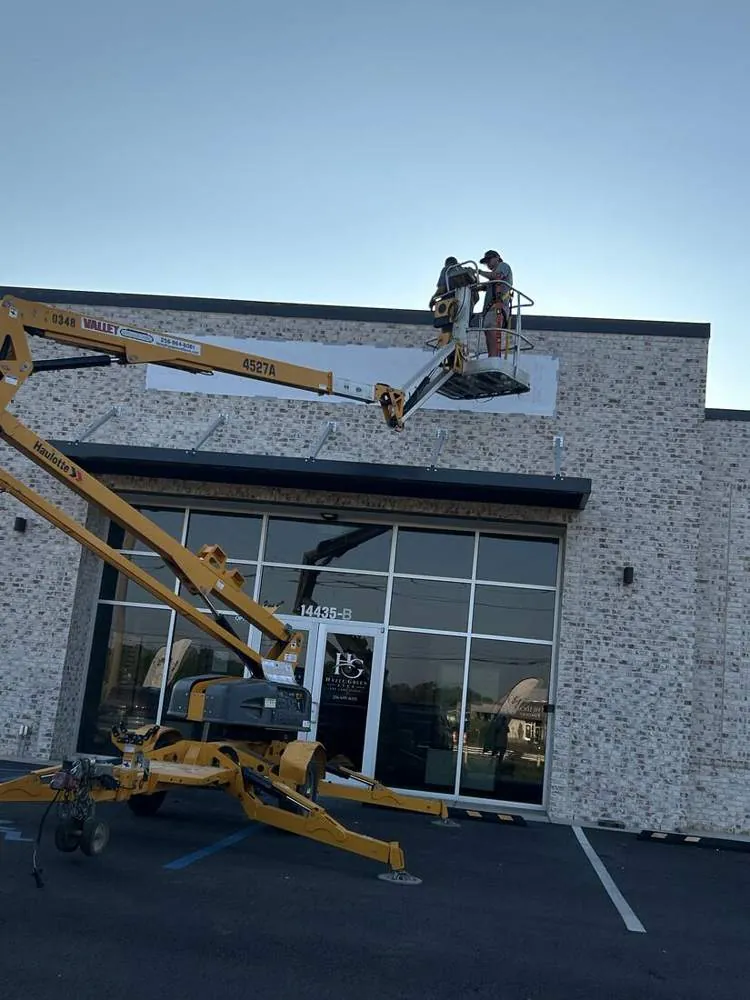
We evaluate wall construction, mounting surface, structural attachment, electrical access, installation height, lift or crane requirements, underground utilities, existing sign structures, access to the property, and removal requirements. A good sign design takes the installation environment into account from the beginning.
Choosing the right sign: what we look at
Objective
What does the sign need to accomplish?
Audience
Who needs to see it?
Location
Where will they see it from?
Distance
How far away will they be?
Environment
What will compete for their attention?
Brand
What should the sign say about the organization behind it?
The product comes after these questions. The sign type should be the result of the problem-solving process, not the starting point.
Common sign mistakes
Seven ways good signs go wrong.
Trying to say too much
Drivers have seconds, not minutes, to read a roadside sign. Keep the primary message simple.
Making the logo too small
Brand standards matter, but signage must also function in the real world.
Ignoring viewing distance
Design for where the customer will see the sign, not where the designer is sitting.
Choosing appearance over readability
A sign can be beautiful and ineffective at the same time.
Ignoring nighttime visibility
Evaluate the sign during the hours your customers actually see it.
Treating every sign as a separate project
A collection of signs should work together as a system.
Waiting until the end of construction
Placement, electrical service, blocking, wall construction, permitting, and landscaping all affect the final signage. Bring signage in early.
Interactive
The SignCo Sign Check.
Not sure whether your current signage is doing its job? Answer honestly and we will tell you where to look first.
Do not start with the sign. Start with the problem.
Maybe customers cannot see your building from the road. Maybe visitors do not know which entrance to use. Maybe your business has outgrown the image created by your old signage. Maybe your building looks invisible at night. Maybe your facility has expanded and wayfinding no longer works. Maybe your brand changed but your physical environment never caught up. Those are different problems, and they need different solutions.
Our question is not "what kind of sign do you want?" The better question is "what are you trying to accomplish?" From there, we design the right solution for your building, property, audience, and brand.
Need help choosing? You do not need to know the name of the sign you need before contacting us. Show us the location. Tell us the problem. Tell us what you are trying to accomplish. We will help you determine what makes sense.
Find the right sign.
Your brand deserves to be known, trusted, and remembered.